

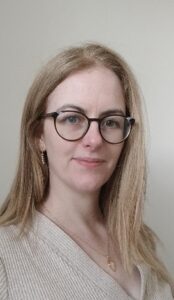
Dr Fiona McDonald
University College Cork
Fiona B. McDonald is a senior lecturer in physiology in the Department of Physiology, University College Cork, Ireland. Fiona is a lead investigator within the INFANT Centre. The theme of Fiona’s research is understanding the effects of early life stress, such as unstable patterns of oxygenation, on cardiorespiratory and motor function in preterm infants. Fiona has a keen interest in exploring sex-specific vulnerabilities during development. Her work seeks to identify novel preventative strategies for preterm infants to improve their long-term functional outcomes and their quality of life.
We spoke to Fiona as part of our 150 voices of physiology series.
As long as I can remember I have been fascinated by how living things are organised, how they function and how they interact with their environment. The exposure and time afforded to me by my parents to encourage many of my questions related to their careers of midwifery and dairy farming encouraged my life-long curiosity.
I have learned from every project I have worked on and from the many people I have met along the way. I have been inspired by those whom I worked with during my PhD at University College Dublin, Ireland. UCD was a place we learned and matured under the supportive supervision of Professor Ken O’Halloran. Professor O’Halloran has been a committed advocate for the discipline of physiology at every level including scientific discovery, education, training, editing for our leading journals, Experimental Physiology and The Journal of Physiology, research ethics and integrity as well as a mentor to many. My colleagues from UCD pursued rich and varied pathways following their degrees in physiology in their personal and professional lives. On their journeys they have demonstrated courage, resilience, collaboration and kindness, each one of them has made significant contributions to scientific research and medical communities which I have found inspiring.
In a world of fads and consumerism directed at vulnerable members of our community, physiology must persist. Physiological assessment and transparent reporting are necessary to examine mechanism, test efficacy with scientific rigour and we must continue to share such peer-reviewed work with the public. There are also many persistent and emerging clinical challenges that require our discipline. Physiological insight can lead to innovative opportunities. The community are testing the boundaries of viability, the effects of combinatorial and cumulative stressors in health and disease across the lifespan and are striving to define and promote healthy ageing. As a discipline we must continue to ask questions and test our hypothesis without bias and report our data with full declarations of the intrinsic limitations of our work.
The Physiological Society has been my community for 20 years now. The Society have supported my attendance at many of the Society’s meetings including more recent joint meetings with other international physiological communities. In my academic role at University College Cork, I began co-organising physiology seminars throughout the academic year and soon become the Society representative. The Society offers me a sense of belonging for the shared struggle and ambition to add knowledge and understanding to how our bodies perform and compensate when stress is applied. The Society’s journals are a trusted source of information in which all work is constructively critiqued prior to publication and so called ‘negative’ findings are valued for their equal contribution to the field. I am fortunate to have published my research in the Society’s journals, an achievement I am proud of.
The future of physiology in my eyes means continued inquisitiveness into whole-body function and mechanisms of adaptation through experiment-based research. Revealing further insight into mechanisms which promote resilience and translating this knowledge into real world benefit.
For students starting out in the discipline: find your tribe, find people who are willing to support you academically and others to selflessly mentor you, find a topic that fascinates you, read to identify the gaps in knowledge, attend conferences and network. The journey is both challenging and fulfilling, enjoy!