Reflections on the route I took to become a PI
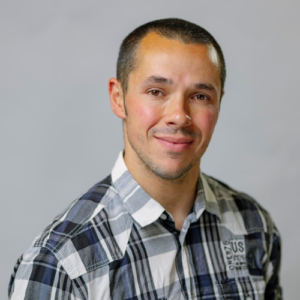
Professor Benjamin Wall, University of Exeter, UK
Benjamin Wall inspired the audience at our ‘Dietary Manipulations 2026’ meeting with his presentation ‘Setting up as a PI: Considerations for ECRs in nutritional physiology’. We followed up with Benjamin to hear his career story. In this blog, he shares how he navigated his journey to become a PI and the lessons he learnt on the way.
If you’d asked me as an undergraduate what I wanted to do with my career, I don’t think “Professor” or “Principal Investigator ” would have featured very highly.
What I do remember is becoming fascinated by muscle metabolism. Around that time, I was also discovering the beauty of physiology through books as much as through lectures. Writers such as Richard Dawkins, who popularised the gene centric view of biology, introduced me to the power of reductionism and molecular biology within physiology and the broader explanation of complex life. Then I discovered Denis Noble’s The Music of Life, which beautifully argued that understanding physiology also means putting those molecular pieces back together again into integrated biological systems. Somewhere between those two perspectives, bottom-up and top-down, my curiosity was born.
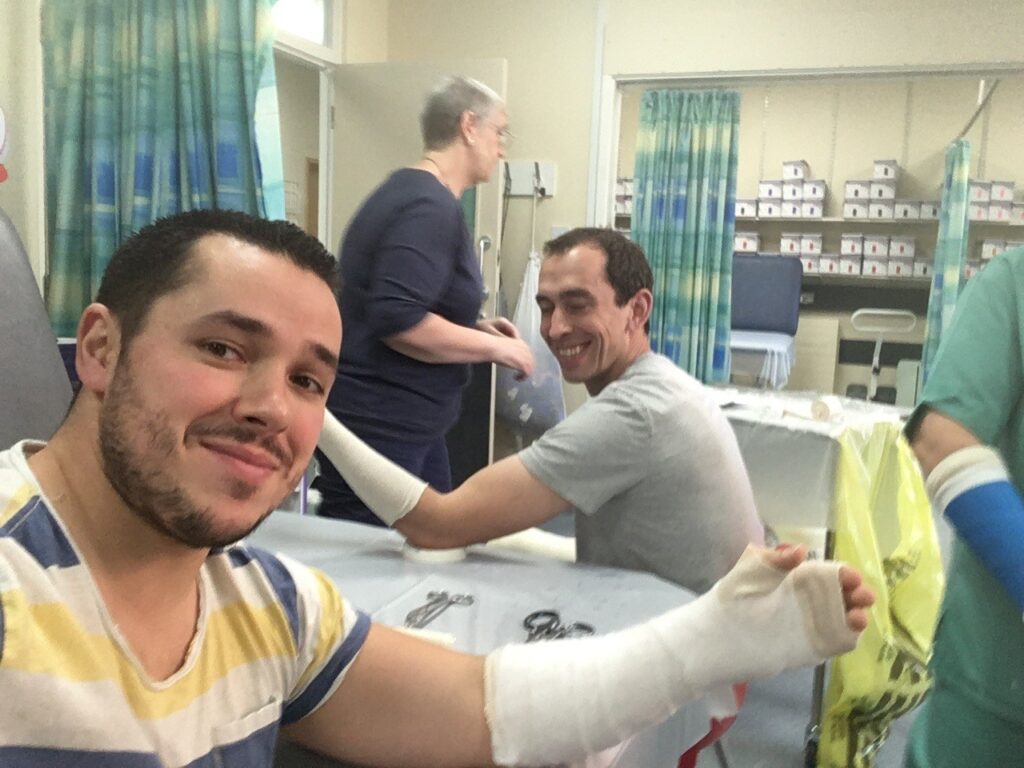
Molecular pieces and working on the physiology puzzle of life
Then came a rather wonderful realisation: people actually got paid to ask these questions. Science wasn’t just a subject; it could be a career. Better still, it looked to me as suspiciously getting paid for a hobby!
That curiosity took me to the University of Nottingham Medical School (UK) for my PhD. There I began developing some of the practical skills needed to become a scientist, from exercise physiology laboratory techniques to analytical chemistry to allow the analysis of blood and muscle samples. But perhaps more importantly, I learnt to appreciate the elegance of fuel metabolism and the beautifully coordinated reciprocal regulation of carbohydrate and fat metabolism. I also learnt what it really takes to deliver good science: asking worthwhile questions, designing robust studies, publishing your work and learning from the inevitable setbacks and the mentors and colleagues that stand by you throughout.
By the end of my PhD, I had two things: curiosity and a growing toolbox. But I was nowhere near ready to ‘become a PI’. I had also become convinced that many of the most important questions in muscle physiology required the application of stable isotope methodologies to understand physiology as a dynamic process rather than a series of static snapshots. So rather than simply looking for my next postdoctoral position, I sought out one of the world’s leading laboratories using those techniques and joined Professor Luc van Loon’s group at Maastricht University (Netherlands).
Scientifically, it was there that I developed a fascination with protein metabolism and the remarkable plasticity of skeletal muscle. But my biggest lessons weren’t just technical.
How to create a research environment
For the first time, I began looking beyond individual experiments and asking how outstanding research groups functioned. How are students supported? How are collaborations built? How do you develop an international reputation? How does a laboratory become somewhere that talented people want to work? It was then that I realised that I had always been trying to absorb this! It was here that I learnt the difference between knowing how to do research and knowing how to create an environment where research could thrive.
Setting up a new lab
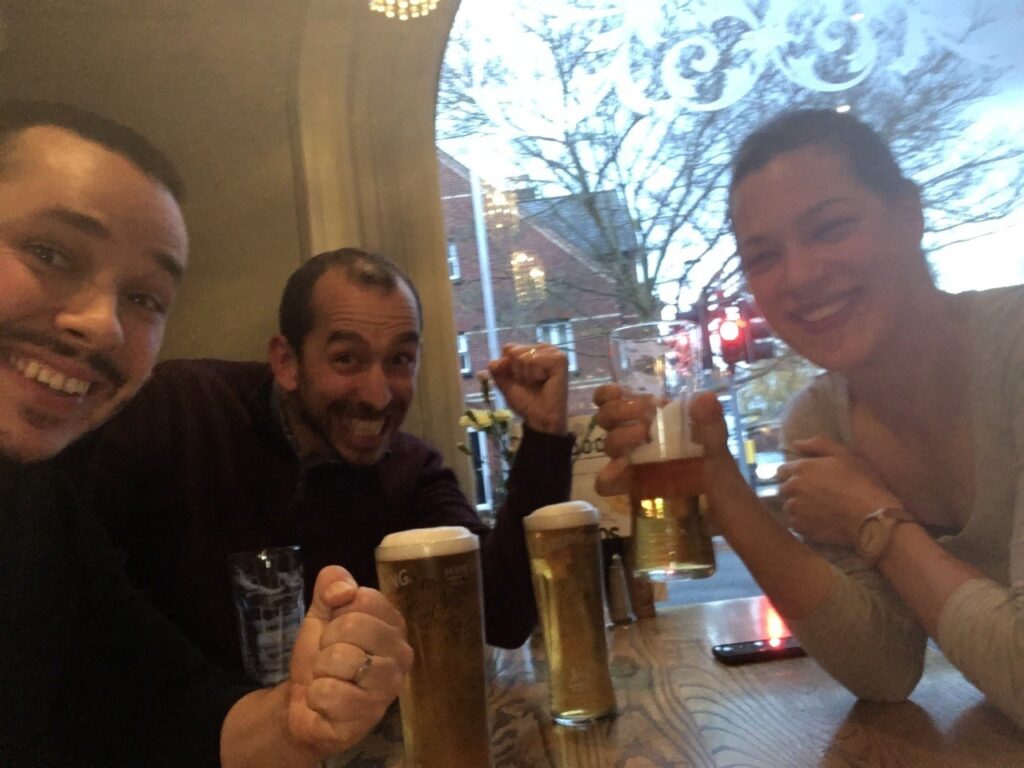
It was also where my perspective broadened beyond physiology itself. Muscle metabolism remained fascinating, but I became increasingly motivated by why it mattered: maintaining muscle health across the lifespan, preserving independence, improving healthspan and ultimately helping people to live healthier lives. When I joined the University of Exeter (UK) as a lecturer, I suddenly had the opportunity, and responsibility, to put those lessons into practice. There wasn’t an established laboratory waiting for me. Instead, I had to build one. That meant making strategic decisions about which techniques to establish, while also being opportunistic when collaborations or funding opportunities arose. It also meant relying heavily on mentors, collaborators and trusted colleagues.
In fact, one question increasingly came to define my thinking: Who comes with you? Who are the collaborators who share your scientific vision? Which students become excited by your questions? Which mentors challenge and support you? Which colleagues help build something bigger than any individual could achieve? And eventually, which funders believe in those ideas enough to invest in them?
One lesson, that certainly does not originate with me, but has rung truer and louder over the years concerns two very small words: “I” and “we.” When I hear researchers describe their work, I often notice which they choose. In my experience, there is almost never an “I”. At least in nutritional physiology, research is always a “we”. Every experiment, every paper, every grant and every success reflects the contributions of students, postdoctoral researchers, technicians, collaborators, mentors and countless others. Ironically, becoming a principal investigator has only strengthened that belief. The title may suggest independence, but the reality is almost the opposite. A successful PI doesn’t simply lead research; they build communities around important questions.
The long-lasting impact of mentorship
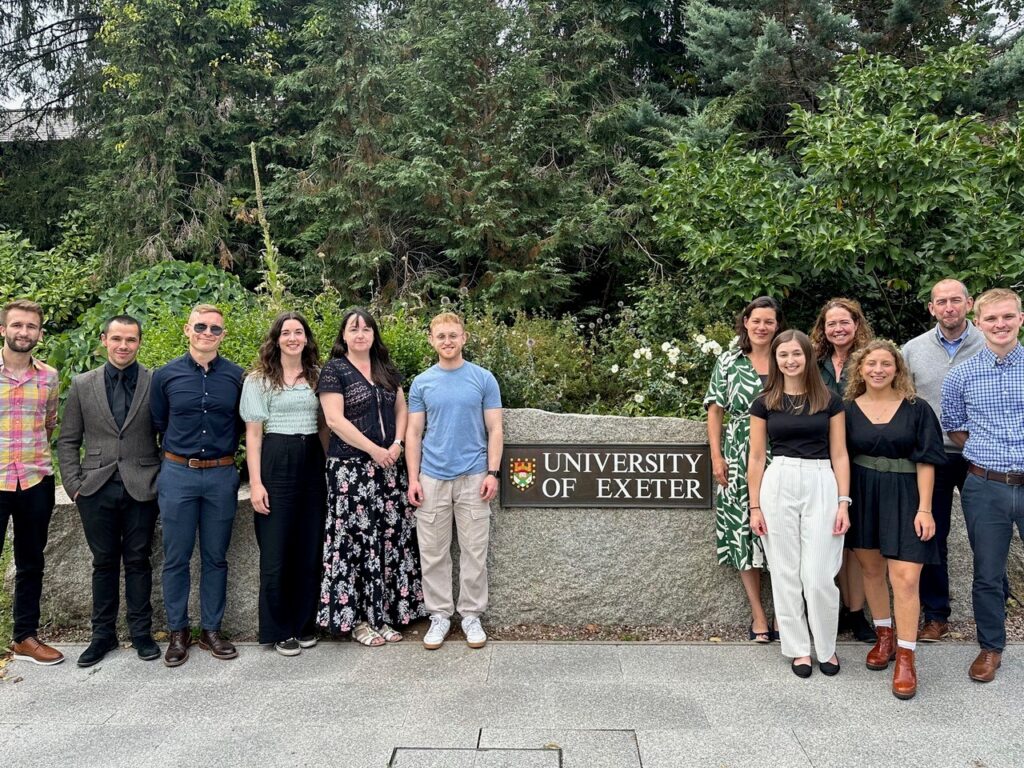
Perhaps the greatest privilege of my journey thus far has been mentorship. Every stage of my own career has been shaped by generous mentors who gave me opportunities, challenged my thinking and trusted me with increasing responsibility. I would not be where I am without them. One of the unexpected joys of becoming a PI has been the chance to return that investment. Watching students and early career researchers develop confidence, become independent scientists and eventually become collaborators, colleagues and peers is one of the most rewarding parts of the job.
It can, on occasion, also be one the harder more heartbreaking aspects of the job, also. Some of the people you first supervise eventually become the people whose opinions you value most as equals (and, I like to think, vice versa). That feels like the true measure of successful mentorship which, when it comes along (which it doesn’t always), should be treasured.
Stay curious
If I could leave early career researchers with one piece of advice, it would be this: don’t make becoming a PI your primary goal. Instead, stay relentlessly curious. Develop skills that genuinely excite you. Find questions that matter, not just today, but those that will shape your field over the next decade. Seek out people you admire and learn from them. And perhaps most importantly, think about who will come with you on that journey. Because, in the end, becoming a PI isn’t really about leading research. It’s about creating an environment where curious people can come together to answer important questions; and hopefully inspire the next generation to do the same.