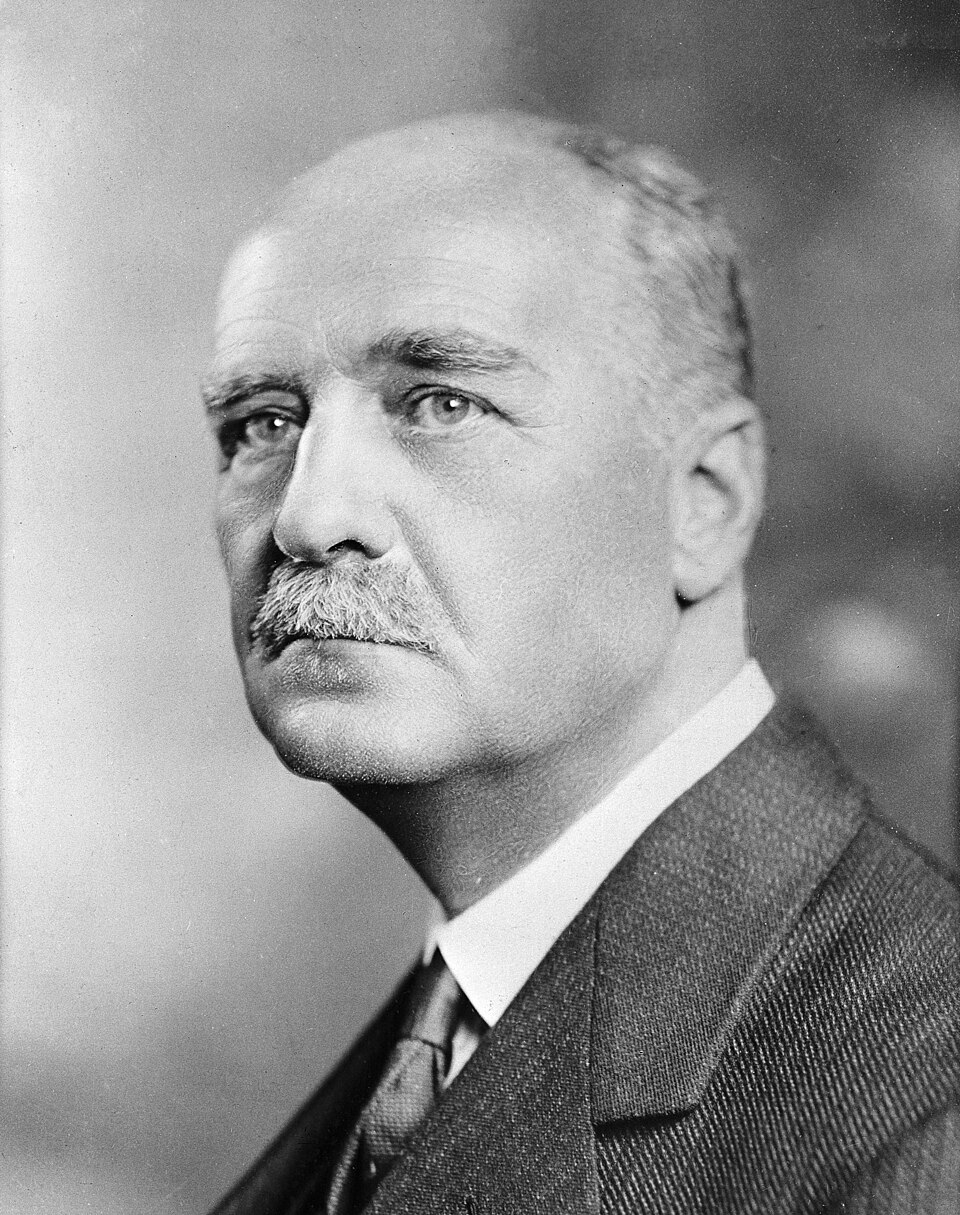
Joseph Barcroft was the third Professor of Physiology at the University of Cambridge and, during a prolific research career, pioneered the study of fetal and neonatal physiology. He was born in Ireland, to well-to-do parents and had a liberal upbringing grounded in Quaker principles. From an early age, his interests were in nature and science, not in poetic writing and reading literature. Initially taught by governesses, he attended non-conformist boarding schools strong in the sciences from age 12. During his last two school years, he enrolled at the University of London for a BSc degree awarded as he finished school. After a ‘recovery’ year, he matriculated at Kings College, Cambridge, in Natural Sciences, beginning a lifelong association with the College and the University. In 1897 he graduated with a first-class BA degree and began research in the Physiological Laboratory where he remained research active until his death 50 years later.
Barcroft was an experimental physiologist whose research had three main phases. First, he investigated saliva production, its oxygen requirement and neural regulation. He devised new techniques for measuring the oxygen content of small blood volumes and developed wider interests in tissue respiration, blood oxygen dissociation curves and pulmonary ventilation. In 1910, Barcroft was elected a Fellow of the Royal Society for his work in these areas. Next, he studied physiological adaptations to hypoxia by undertaking high-altitude expeditions and experimenting on himself in an air-tight glass chamber. The final phase of Barcroft’s research, for which he is best remembered now, began in the early 1930s. It sought to establish how fetuses thrived in conditions that Barcroft likened to Everest in utero. In acute experiments on anaesthetised pregnant sheep, he measured placental function, fetal growth rates, fetal haemoglobin and oxygen carrying capacity, fetal oxygen consumption, fetal respiratory movements, fetal and placental blood flow and changes in the circulation and lungs at the time of birth. Indeed, much of today’s diaspora of feto-placental and perinatal research can trace its origin back to the studies of Barcroft and his students and colleagues in Cambridge.
As a Quaker, Barcroft was seconded to Porton Down Experimental Station during both World Wars to oversee research on gas poisoning, for which he received the CBE. In 1925, he became the Chair of Physiology in Cambridge and began enlarging the Laboratory building and its staff. He chaired multiple committees, gave engaging undergraduate lectures and supervisions, and traveled widely to give lecture series and attend conferences abroad. After ‘retirement’, he became Director of a new ARC unit of Animal Physiology based in the Physiological Laboratory, with a remit to study ruminant metabolism. He supervised its activities alongside continuing his own perinatal research. He was knighted in 1935 and received numerous other honours and Honorary degrees. In total, Barcroft published three books and over 300 scientific papers and meeting proceedings. His epitaph was expressed most simply by Professor Adrian: “He was a very wise and kindly man as well as a great physiologist”.