Jonny Quinlan on more inclusive prevention strategies for healthier ageing for all

Dr Jonny Quinlan (Assistant Professor in Exercise Physiology and Muscle Health at the University of Birmingham, UK)
“We can only deliver equitable healthy ageing if our evidence base reflects the diversity of our population,” says Jonny Quinlan. At our Parliamentary event, Jonny and his colleagues Dr Marie Korzepa and Dr Archie Belfield, explained the need to understand musculoskeletal decline across all ethnicities to improve quality of life, functional capacity and well-being for all older adults in the UK and worldwide.
The age-related loss of skeletal muscle mass and function, termed sarcopenia, affects approximately 11% of older adults. It impairs physical capacity and can increase the risk for non-communicable disease. “Sarcopenia contributes to the gap between life and health-span in ageing populations,” says Jonny, adding “this disparity may be compounded by ethnic inequalities.” Recent data shows a decline in healthy life expectancy in the UK, dropping by approximately two years in the last decade nationally.
Jonny is dedicated to closing the major gap in our understanding of ethnic differences in muscle ageing and responses to lifestyle interventions (such as exercise and nutrition). “Our collective knowledge of sarcopenia impact and mechanisms in the UK’s large South Asian population of approximately 5.5 million people is drastically lacking,” says Jonny. “This compromises our ability to reduce health inequalities and meet the UK Government’s 2035 target for everyone to have five extra years of healthy and independent life.”
Muscle weakness costs the UK Government approximately £2.5billion annually. The economic impact is expected to rise, with 25% of the UK population predicted to be 65+ years by 2046, sarcopenia prevalence is expected to increase.
“As the UK’s population continues to diversify, we need to ensure that healthy ageing recommendations are based on representative evidence,” says Jonny. Read the Q&A to find out more about Jonny’s research and how it could inform more inclusive prevention strategies and support the delivery of more equitable public health initiatives for healthier ageing for all.
What are you working on?
My research addresses two of the UK’s most pressing societal challenges: healthy ageing and health inequalities. The UK is an ageing population, and the prevalence of chronic conditions and functional decline therefore increases. Preventing functional decline through evidence-based lifestyle interventions is essential to improving quality of life while reducing pressure on health and social care services.
My research also focuses on addressing disparities in healthy ageing, particularly among underserved communities who experience disproportionate risks of age-related conditions. By combining human physiological research with community co-design, my research aims to generate practical, culturally appropriate strategies that can support preventative healthcare strategies. These align closely to the continued focus on prevention set out in the NHS 10-Year Health Plan, ‘Fit for the Future’.
How could your research inform policy, practice, or public health?
My research generates evidence from understanding the physiological mechanisms underpinning healthy ageing to developing practical, co-designed solutions that can improve public health. Through interdisciplinary collaboration, I combine physiological assessments with qualitative research and co-design approaches to ensure that the research questions we aim to address, and in turn the interventions we develop, reflect the needs and priorities of the communities we serve.
A particular focus of my work is understanding to what extent older South Asian adults experience accelerated age-related declines in muscle health. My current and future research aims focus on generating robust mechanistic evidence to advance our understanding of ethnicity driven differences in muscle mass, strength and function. Ultimately, these data may help to identify groups at greatest risk and inform more targeted prevention strategies.
Working alongside community partners, we have co-created culturally appropriate educational resources and physical activity initiatives that aim to improve strength training engagement in South Asian women. Our research provides evidence that can inform clinical practice, public health initiatives and policies aimed at reducing health inequalities, promoting preventative healthcare, and supporting healthier ageing across the UK’s diverse population.
How are you raising awareness on muscle health and ageing?
We have teamed up with local communities to co-develop resources designed to improve awareness of muscle health and promote participation in strength-based exercise. Working alongside South Asian communities and community organisations, we co-created the culturally appropriate Shakti Hai, Toh Sehat Hai animation, ensuring research outputs are accessible, relevant and responsive to community needs.
If you had five minutes with a policymaker, what would you want them to understand or do differently because of your research?
I want policymakers to recognise that reducing health inequalities requires sustained investment in inclusive physiological research and culturally appropriate prevention strategies. We can only deliver equitable healthy ageing if our evidence base reflects the diversity of our population.
Healthy ageing is not experienced uniformly across the population. Ethnicity is a vital, yet under-researched determinant of age-related muscle decline. Whilst ageing is an inevitable process, the trajectory of functional decline can be modified through interventions such as physical activity, exercise and nutrition.
The evidence underpinning current prevention strategies has been generated predominantly via white adult populations, severely limiting our understanding of how these interventions translate across the UK’s ethnically diverse communities. Inevitably, this significantly impacts healthcare provision as we cannot be confident that current recommendations and preventative strategies are equally effective for everyone.
My group’s research aims to address these challenges, and generate novel physiological and mechanistic data to address an area that is substantially underrepresented in human physiological research. The communities at greatest risk of poor health outcomes are often those for whom the least evidence exists, and it is our mission to correct this.
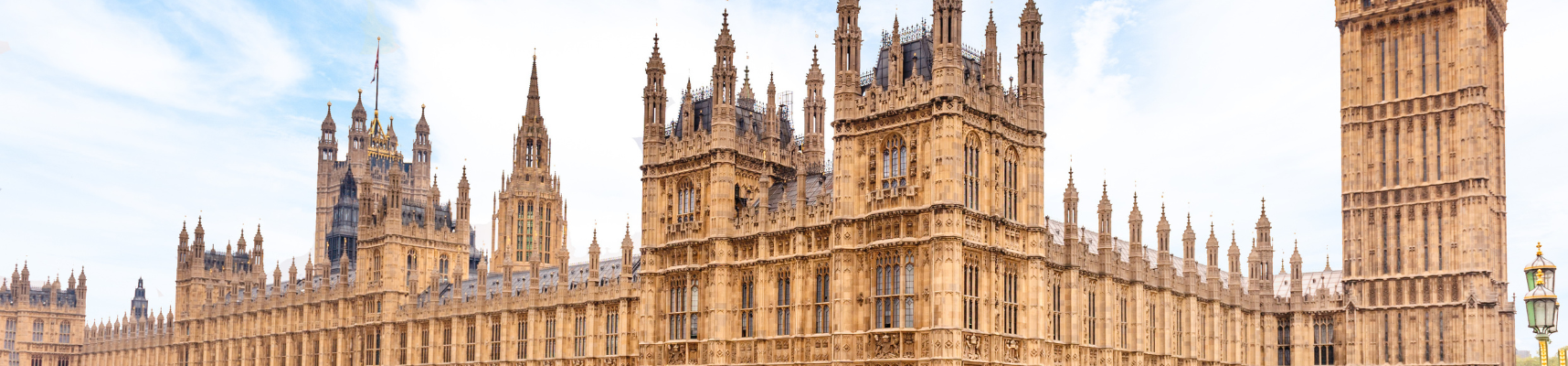
Read the full Q&A with Jonny, Marie and Archie about their exhibit, ‘Mind the Strength Gap: Why Strength, Ageing, and Ethnicity Matter’. This is published in our Physiology Showcase booklet, where you can find out more about all the exhibitors who were part of our 150th celebration in the Houses of Parliament on 20 October 2026.