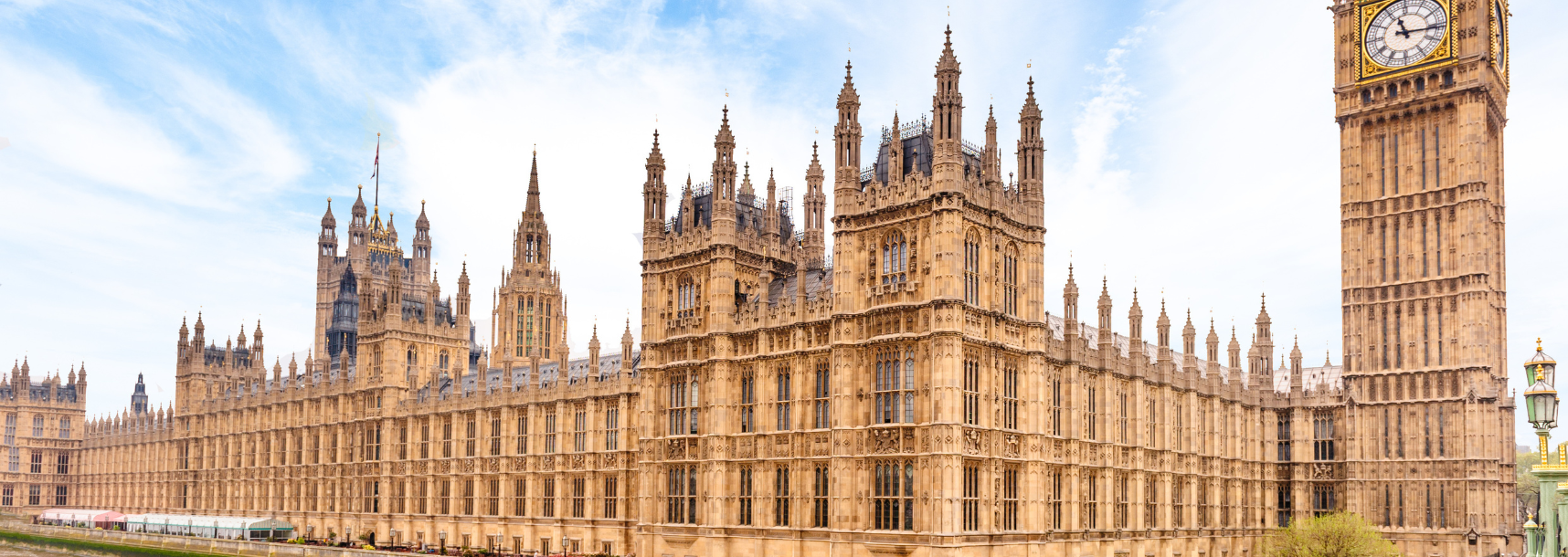
Join us in Parliament for our ‘Extreme Heat in the Workplace: Policy Report Launch’ on Wednesday 2 September 2026.
Protecting workers’ health and productivity
In May 2024, the Office of National Statistics (ONS) published data showing that extreme heat in Great Britain resulted in an estimated total loss of £28.6 billion (in 2022 prices) to the economy during 1998-2021, with nearly half of that loss occurring in the latest five-year period from 2017-2021.
As part of their New Deal for Working People, the Labour Party committed to ‘modernising health and safety guidance with reference to extreme temperatures, preventative action and steps to ensure safety at work’. With the party now in government, there have been renewed calls for action in this area to ensure workers’ health and productivity are protected from the impacts of extreme heat.
Physiology helps us to understand how the human body works in health and how it responds and adapts to the challenges of everyday life such as disease and the environment as well as identifying those most at risk. Improving resilience to heat is multifactorial, requiring a deep understanding of how physiological factors are affected by environment and behaviour. Physiology is uniquely placed to help integrate and expand upon siloed policies around our response to heat and move beyond a simplified understanding of heat risk as being correlated only with ambient temperature.
Why attend?
- To discuss in Parliament the issue of extreme heat in the workforce and the challenges of establishing effective thresholds
- Meet with physiologists who are exhibiting examples of how their research is helping to tackle the health and productivity challenges caused by extreme heat and related consequences of climate change
- To position physiology as a key element of effective policymaking in the area of worker safety in extreme heat
- To meet with MPs to help them understand the physiological research being undertaken related to extreme heat and worker health and productivity in the UK and their constituencies.