

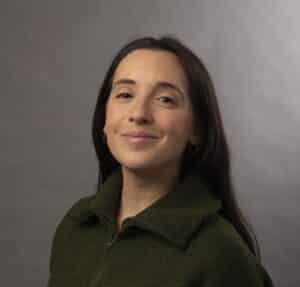
By Dr Rita Civil
Dr Rita Civil, Research Fellow (School of Sport, Exercise and Rehabilitation Sciences, University of Birmingham, UK)
Rita is a Research Fellow investigating carbohydrate and exercise metabolism. She has a background in sports nutrition and conducted her PhD in the effects of exercise on bone turnover. Her research experience spans applied human interventions and molecular and cellular studies, bridging mechanistic understanding and translational impact in musculoskeletal and metabolic responses to exercise and nutrition.
Dr Rita Civil was awarded an Unlocking Futures Fund grant from the Physiological Society in 2024. We caught up with her to discuss the results of her project as well as any advice she had for future applicants.
Please tell us about your project:
My project aimed to provide preliminary data showing the feasibility of a novel, three-dimensional, in vitro culture of a self-structuring bone model to study the metabolic responses of insulin and mechanical loading in osteoblasts cells.
What were the outcomes/impact of your project?
I was able to obtain novel data using an organotypic osteoblast model using a human foetal osteoblast cell line (hFOB 1.19). I demonstrated the presence of insulin-responsive glucose transporter GLUT4 protein (compared to human muscle), characterised glucose utilisation and determined the metabolic profiling (in comparison to murine skeletal muscle C2C12 cells), and showed increased glucose uptake with insulin stimulation in this osteoblast cell line.
In addition, I was able to form new collaborations with experts that supported my project and wider research idea; Dr Amy Naylor (University of Birmingham), Dr Daniel Fazakerley (University of Cambridge), and Dr Craig Beall (University of Exeter).
Do you have any plans to continue this work? If so, how?
I used this preliminary data to support a BBSRC Fellowship application with a project focused on investigating glucose utilisation in bone and its positive effects on bone formation. Although the application was unsuccessful, I am looking into ways I can continue this work and enhance future major grant applications or collaborate with industrial partners.
How did receiving the Unlocking Futures Fund support you in this work?
This funding supported my training, method development period, completion of metabolic measurements, and collection of valuable data using a novel organotypic osteoblast model. This activity also led to newly formed collaborations and potential for continuing this research line of work. It was also the first time I was running my own project independently with my own funding, helping develop my career goals towards an independent researcher.
What did you learn from undertaking this project?
I not only learned about the process of obtaining funding and managing my own project, but also, I developed new skills and used advanced research techniques I had not used before. Finally, I also acquired experience in finding resources available and close to me such as research facilities or equipment and approaching experts to discuss my research and project ideas.
Do you have any advice or recommendations for potential future applicants?
• Make sure you have an original idea that will be strengthened with this pilot work.
• Ask for help and seek collaborations with people who might be interested in your project.
• Be realistic in what is achievable with the time and budget available to you, account for method development and troubleshooting time.