Introduction: The consumption of earth materials such clay as is a common practice in various parts of the world. It is particularly prevalent among pregnant women and children, largely due to medicinal, nutritional, and cultural beliefs. Despite the widespread use of edible clay particularly by pregnant women, its effects on key reproductive hormone receptor modulation have not been explored. Hence this study was aimed to fill this gap. This study investigated the expression of estrogen (ER), progesterone (PR) and oxytocin (OXR) receptor genes in uterine tissue following oral ingestion of edible clay (calabash chalk) during pregnancy.
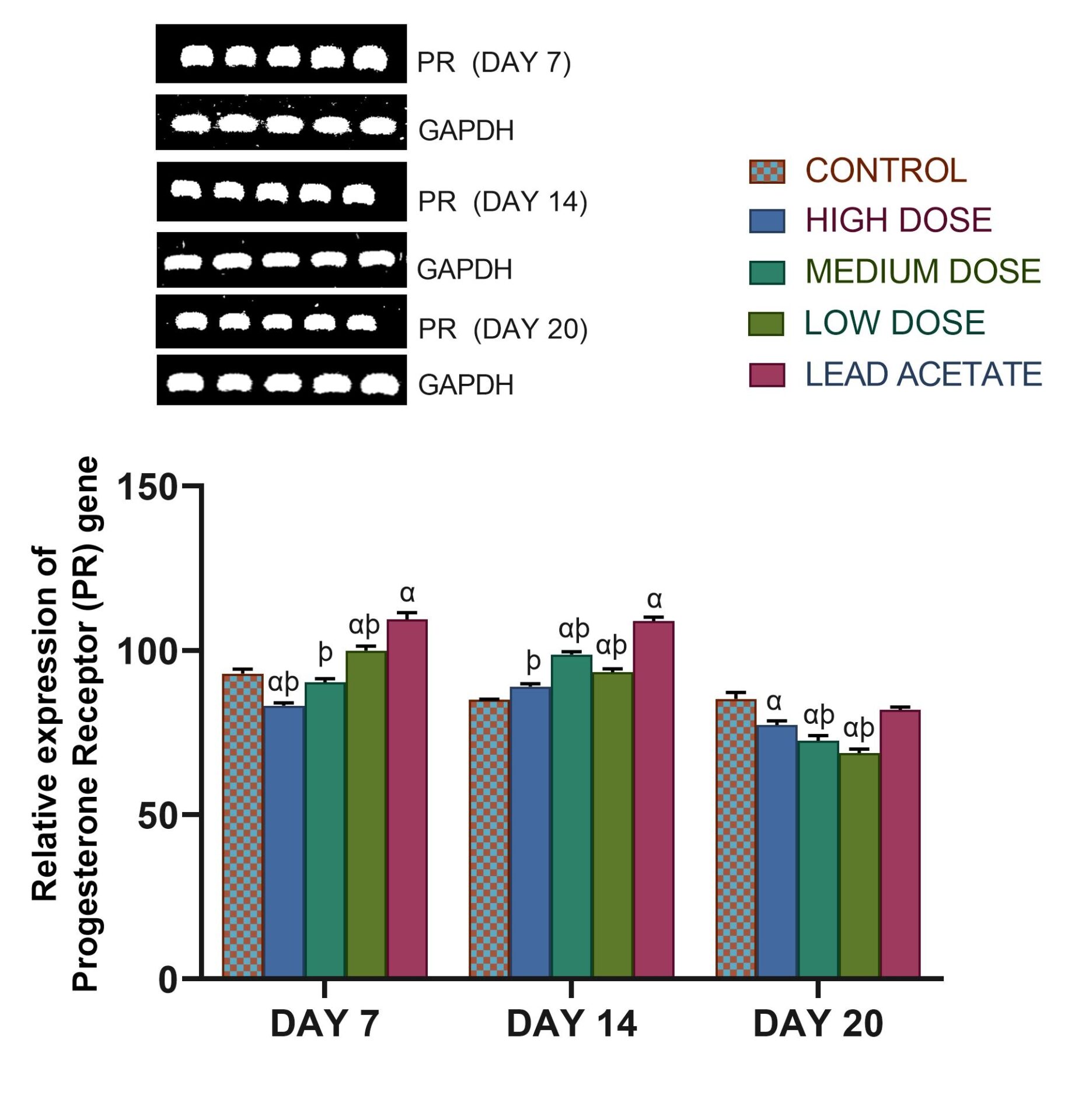
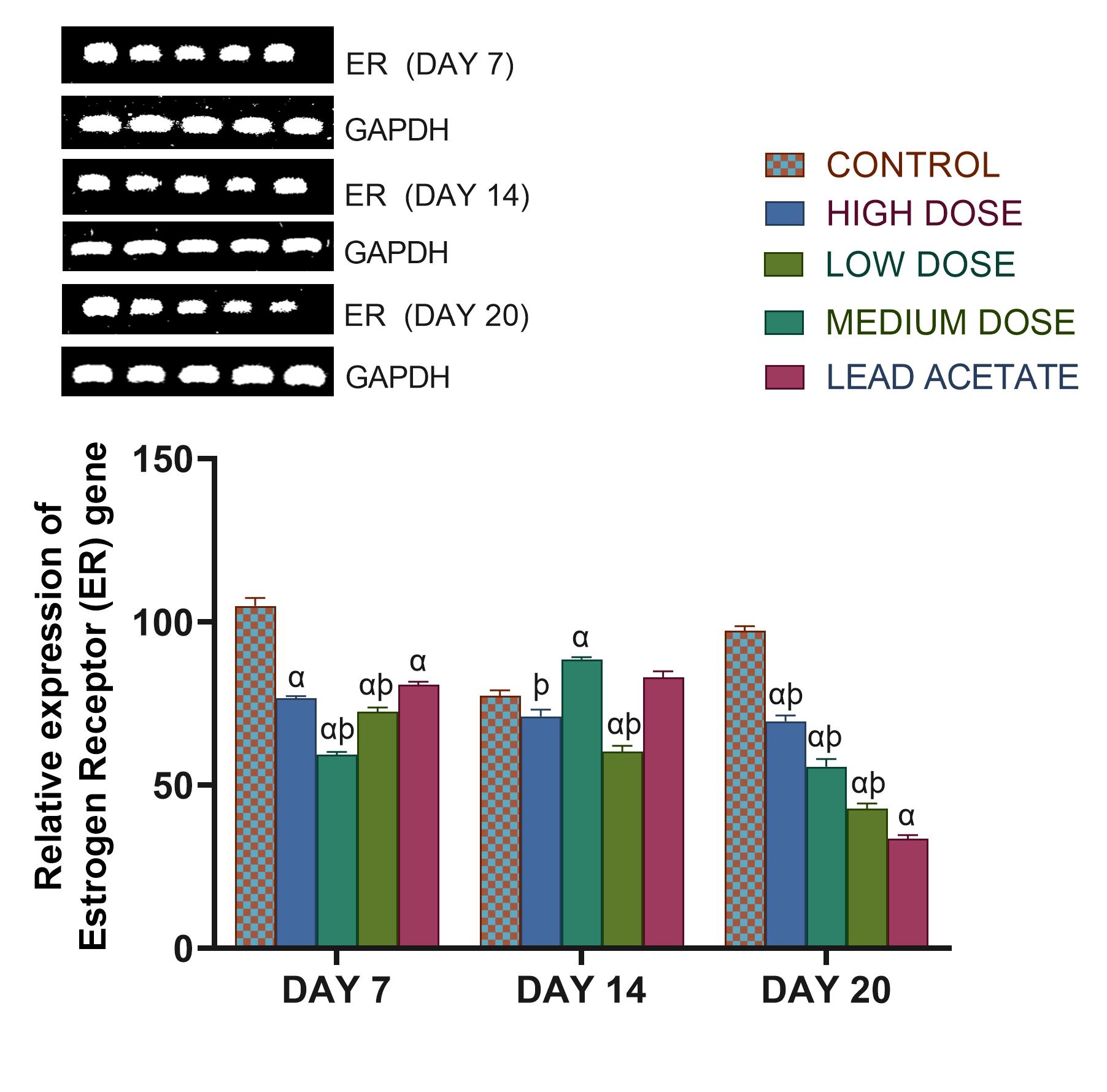
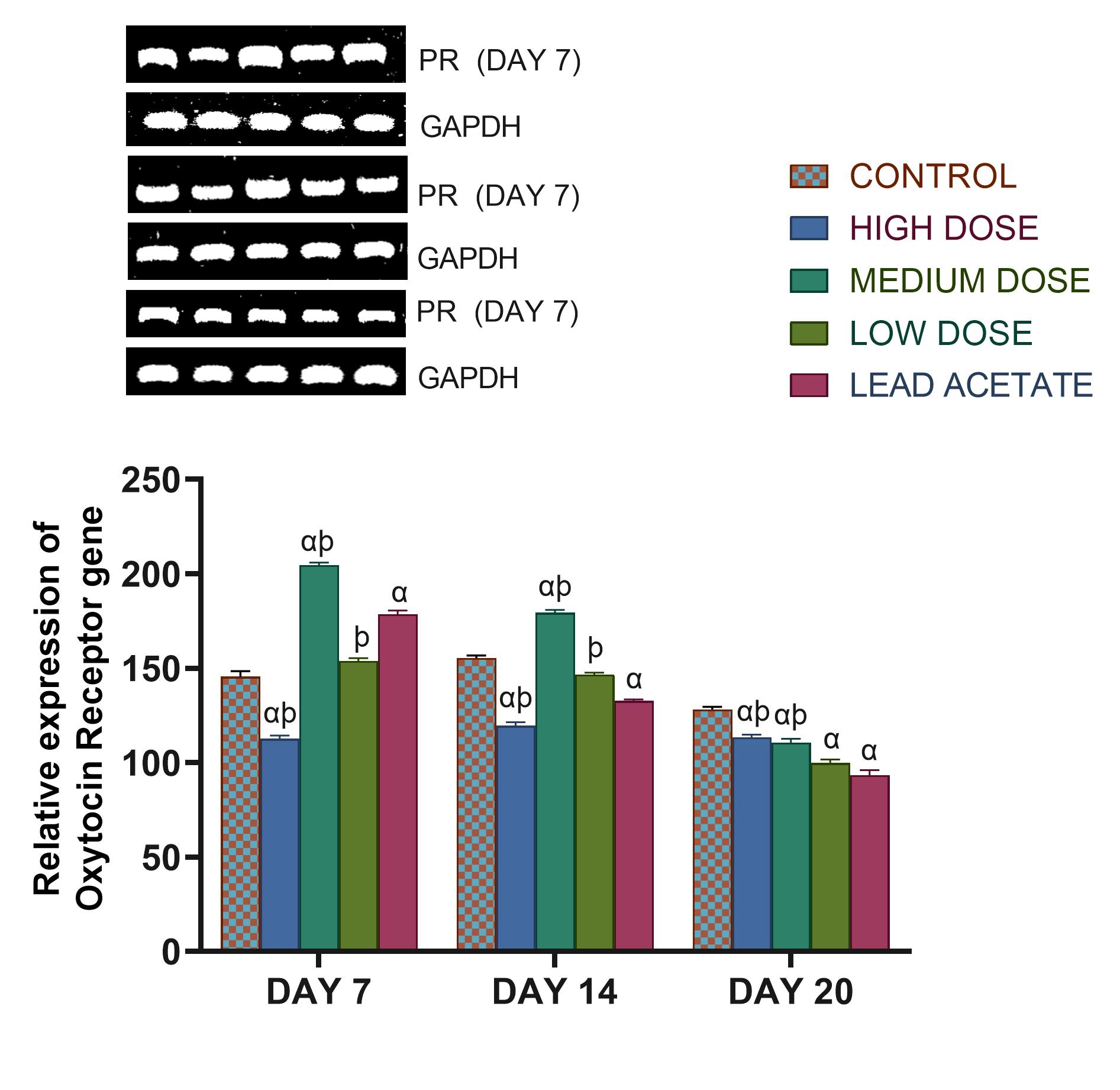
Method: Edible clay samples were sourced from New Benin market, Edo State, Nigeria. The sample blocks were pulverized into a fine powder with a mortar and pestle. A 40g sample of the powder was dissolved in 400ml of distilled water and the mixture was stirred continuously to produce a well-dispensed suspension. Ninety-six (96) pregnant Wistar rats, separated into four groups and three subgroups (n = 8), representing gestational day (GD) 7, 14, and 20, were orally administered 2000 mg/kg (high dose), 1000 mg/kg (medium dose), and 500 mg/kg (low dose) of edible clay and distilled water (control). Uterine tissues were harvested on GD 7, 14 and 20, and gene expression of ER, PR and OXR were analyzed using real-time quantitative polymerase chain reaction (RT-PCR). The mean and standard error of mean were determined using Graphpad prism version 8.2.2. The two-way ANOVA followed by Tukey’s post hoc analysis were used to determine the difference in means among the groups. The difference in means was considered significant at P<0.05. Ethical approval for this study was be obtained from the Research and Ethics committee, College of Medical Sciences, University of Benin, Benin City. Results: At GD 7, ER expression was significantly down-regulated in all clay-treated and lead acetate groups (p < 0.05). PR expression was significantly reduced in the high-dose group, increased in the low-dose and lead groups, and unchanged in the medium-dose group. OXR expression was significantly decreased in the high-dose group, increased in the medium-dose and lead groups, and unchanged in the low-dose group (p < 0.05). At GD 14, PR and OXR were significantly up-regulated in the medium-dose group, while ER was up-regulated in medium dose, down-regulated in low dose, and unchanged in others. By GD 20, ER, PR, and OXR were significantly down-regulated across all edible clay-treated groups, with ER and OXR also reduced in the lead group.
Conclusion: The study demonstrates that oral ingestion of edible clay (Calabash chalk) during pregnancy modulates the expression of estrogen and progesterone receptor genes in a dose and gestational dependent manner, suggesting potential disruption of uterine hormonal responsiveness critical for implantation, fetal development, and labor initiation.
Keywords: Calabash chalk, pregnant uterus, estrogen receptor, progesterone receptor, oxytocin receptor
Abbreviations: Estrogen receptor (ER), Progesterone receptor (PR) and oxytocin receptor (OXR), Gestation Day (GD).