

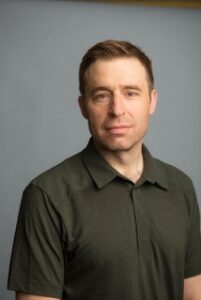
By Professor Michael Koehle
Michael Koehle, MD, PhD is a physician practicing academic sport and exercise medicine at the University of British Columbia, a Professor in the School of Kinesiology, and the Director of the Division of Sport and Exercise Medicine in the Faculty of Medicine at UBC. His research focuses on the interaction between exercise, the environment and health with a specific focus on climate change resilience in the setting of physical activity.
We spoke to Michael as part of our 150 voices of physiology series, about his career, his hopes for the future of physiology and his work with our Policy Team.
What initially sparked your interest in physiology or your specific research area?
During my school years, I was fortunate to have exceptional biology teachers who introduced me to the field of physiology. My curiosity was piqued not only by how the human body functions, but by its remarkable ability to adapt to various stresses like exercise, altitude, temperature, and even immersion. This interest in physiology ultimately led me to pursue a career in medicine since I was inspired by historical physician-physiologists such as William Harvey, A.V. Hill, and J.S. Haldane. However, during medical school, I was a little disappointed by the lack of physiology currently taught in the curriculum. To satisfy this desire to learn more physiology, I decided to undertake a PhD in exercise physiology and a postdoctoral fellowship in environmental physiology.
Can you share a project you’re particularly proud of?
Our group’s current research focuses on exploring the interaction between air pollution and health, particularly in the context of physical activity. There are many synergies between the harmful effects of air pollution and climate change on the body and the harmful effects of sedentary behaviour. Furthermore, poor air quality and high temperatures are disincentives for being active. Our group’s research goal is to utilize physiology as a tool to comprehend these interactions and to develop strategies that enable individuals to engage in safe physical activity even under challenging environmental conditions. We employ a combination of complementary laboratory exposure studies, field studies, and observational approaches to unravel the complex interplay between these various factors.
How did you first become involved with the Physiological Society?
My initial involvement with the Physiological Society began in 2022 when I was contacted by the Policy Team to ask me to participate in their event entitled “Climate Change & Health: Physiology’s Response to the Climate Emergency.” Prior to this, I was familiar with the Physiological Society and its research and publication work, but I wasn’t aware of their extensive policy initiatives. This initial event truly opened my eyes to the fantastic work being done by the Society’s Policy Team.
Could you share more about the projects and work you’ve been involved in with our policy team?
Since joining the Society, I’ve been incredibly impressed by the work of the policy team. Specifically, I was amazed by the sheer level of activity and the incredible access the Society has to key thinkers and decision-makers, both locally and internationally. Over the past few years, I’ve had the privilege of participating in several Society-run climate-related policy events. Perhaps the highlight was serving as the Air Pollution Theme Lead for the Physiological Society’s Global Climate and Health Summit in 2025. This unprecedented event brought together a diverse group of thought leaders and decision-makers from academia, government, NGOs, the military, and industry for two days in London and online. In addition to symposia and roundtable discussions, the meeting included a working session in the House of Lords where physiologists collaborated with parliamentarians, senior military officials, industry representatives, and other key stakeholders to strategize on innovative approaches to climate change mitigation and adaptation. I have never seen such collaboration anywhere else.
How has your involvement with the Society impacted your career?
I’m fortunate to have an academic position that allows me to work as both a physiologist and a physician. This integration enables me to apply clinical knowledge to my physiological research and incorporate physiology into my clinical practice. However, I previously had very little policy and community involvement. My collaboration with the Society has been an instrumental education in moblising physiology beyond the lab and clinic and into the community through policy. This journey has been one of the most rewarding experiences of my career.