
The Society is delighted to announce our 2027 Prize Lecture recipients who will be delivering their lectures in person and online at various Society events in 2027:
- The Annual Review Prize Lecture: Professor Julian Paton, University of Auckland (New Zealand)
- The Bayliss-Starling Prize Lecture for Mid-Career Physiologists: Dr Eleanor Raffan, University of Cambridge (UK)
- The GL Brown Annual Public Prize Lecture: Dr Eva Rog-Zielinska, University of Freiburg (Germany)
- The Hodgkin-Huxley International Prize Lecture: Professor Valerie Verge, University of Saskatchewan (Canada)
- The Joan Mott Prize Lecture Celebrating Women Physiologists: Professor Leanne Hodson, University of Oxford (UK)
- The Mabel FitzGerald Prize for Diversity in Physiology: Professor Amos Fatokun, Liverpool John Moores University (UK)
- The Otto Hutter Physiology Teaching Prize and Lecture: Professor Nicholas Freestone, Kingston University (UK)
- The R Jean Banister Prize Lecture for Early-Career Physiologists: Dr Francesco Giardini, University of Freiburg (Germany)
- The Sharpey-Schafer Prize Lecture for Translational Physiology: Professor Marcelo Rivolta, University of Sheffield (UK)
- The Widening Participation in Physiology Prize Lecture: Professor Cormac Taylor, University College Dublin (Ireland)
The Annual Review Prize Lecture
The Annual Review Prize Lecture is the Society’s premier award. It recognises research that has a wide interest and impact. The recipient of the 2027 Annual Review Prize Lecture is Professor Julian Paton. He will be giving this lecture at the Physiology in Focus 2027 joint meeting with the Scandinavian Physiological Society in Stockholm, Sweden between 1 – 4 July 2027 (exact lecture date to be confirmed).
About the recipient: Professor Julian Paton
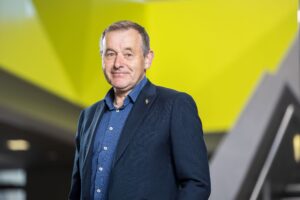
Born in Somerset, England, Julian grew up on a farm and was determined to be a farmer. His school grades were at best average. He took a gap year after high school and farmed on a kibbutz in Israel and Ontario, Canada.
Under the advice of his father, he took up his offer of a place at the University of Birmingham, UK (BSc, 1984) and read biological sciences. He wanted to quit during his first year and then discovered physiology. His interests in physiology were ignited during a research project with the late Professor Janice Marshall. This new interest led to his PhD at the University of London (PhD, 1987) with Professor Michael Spyer. Post-doctoral training was at the Royal Free Hospital (London), EI Dupont de Nemours (USA), University of Washington, Seattle (USA), and as an Alexander von Humboldt Fellow at the University of Göttingen (Germany), with the late Professor Diethelm Richter. In 1994, he was awarded a British Heart Foundation Fellowship, which he took up at the University of Bristol, UK, and awarded his Chair in Cardiovascular Physiology in 2001; he was the youngest professor at the University of Bristol at that time.
In 2017, he transferred to the University of Auckland as a strategic research hire taking up his Chair as Professor of Translational Physiology. He leads a multi-disciplinary research programme involving biomedical, bio-engineering and clinical scientists with the aim of finding novel therapeutic approaches (natural remedies, repurposed drugs and devices) for cardiovascular and respiratory diseases.
In 2019, he became the first director of the University of Auckland’s first Centre for Heart Research called Manaaki Manawa. He was awarded one of ten national Centres of Research Excellence called Pūtahi Manawa, which he co-Directs. These centres were formed in partnership with Māori (the indigenous People of Aotearoa New Zealand) where traditional science and indigenous methodologies are being combined to improve heart health equity.
Julian has published >475 scientific papers (over 100 in the Physiological Society’s journals; h-index 87) and given plenary and public lectures worldwide including the Physiological Society’s inaugural public lecture at Bristol in 2005. He has trained 29 PhD students. His work has generated numerous patents and led to clinical trials in patients with hypertension and heart disease. He is a co-founder and chief scientific officer for Ceryx Medical Ltd – a spin out company testing a novel cardiac pacemaker, which he invented.
He was made a Fellow of the Royal Society of New Zealand Te Apārangi in 2022. He was awarded the Sharpey-Schaffer prize from the Physiological Society, UK (1998); the Carl Ludwig prize from the American Physiological Society (2005); the University of Auckland’s Vice Chancellor research excellence medal (2022), a Visiting Fellowship to Oxford University (2024), inaugural Partridge Family Laureate (2024), Sir Peter Gluckman research excellence award (2024), the inaugural Burnstock Prize from the American Autonomic Society (2025) and a Lifetime Achievement Award from the American Physiological Society (2026).
The Bayliss-Starling Prize Lecture for Mid-Career Physiologists
This annual lecture is supported by a generous donation from the Bayliss and Starling Society. It is awarded to a mid-career physiologist to celebrate a discrete package of work that has made a significant impact on physiological understanding. The recipient of the 2027 Bayliss-Starling Prize Lecture is Dr Eleanor Raffan. She will be giving this lecture at a scientific event organised by the Society in 2027 (TBD).
About the recipient: Dr Eleanor Raffan
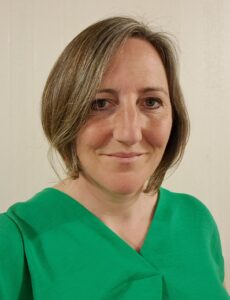
Eleanor Raffan is a vet and geneticist from the Department og Physiology, Development and Neuroscience at the University of Cambridge. Her work focusses on the genetic, molecular and physiological mechanisms underlying obesity and metabolic disease. She draws on her background as a veterinary surgeon to study spontaneously occurring veterinary phenotypes, particularly in dogs, capitalising on the advantages for trait mapping that stem from selective breeding in domesticated species to identify novel genes and mutations associated with metabolic dysfunction. Her group deploys a range of techniques to follow up those findings with molecular studies and measures of eating behaviour and energy expenditure in pet dogs to understand how they cause obesity.
The GL Brown Annual Public Prize Lecture
This annual public lecture is to stimulate an interest in physiology. The audience for this lecture is primarily schools and the wider public, as well as students and staff with an interest in physiology. The recipient of the 2027 GL Brown Prize Lecture is Dr Eva Rog-Zielinska. It will be delivered online in 2027 (date TBD).
About the recipient: Dr Eva Rog-Zielinska
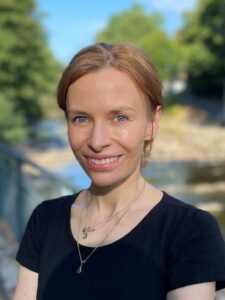
Eva comes from eastern Poland, where she studied Biotechnology. She obtained my PhD in Cardiovascular Science in Edinburgh in 2013. Afterwards, she moved to London for my postdoctoral training, and in 2017 she moved to Germany to start my own research group. She is interested in anything inside and outside of cells that is very small and moves very fast – especially in beating cardiac cells. In her spare time, she spends time with her cats, her dog, and her husband and toddler daughter. Whenever she has any time left, she likes to make ceramic houses out of clay.
The Hodgkin-Huxley International Prize Lecture
This annual lecture is awarded to physiologists working outside the United Kingdom or Republic of Ireland. This lecture celebrates the international impact of the work of Alan Hodgkin, Andrew Huxley and Bernard Katz. The recipient of the 2027 Hodgkin-Huxley Prize Lecture is Professor Valerie Verge. She will be giving this lecture at a scientific event organised by the Society in 2027 (TBD).
About the recipient: Professor Valerie Verge
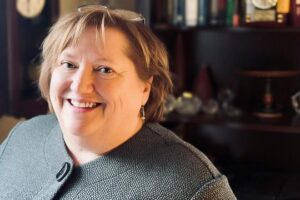
Valerie Verge is a McGill-trained PhD in neuroscience, a University of Saskatchewan Distinguished Professor and Distinguished Researcher in the Department of Anatomy, Physiology and Pharmacology and Director of the College of Medicine Cameco MS Neuroscience Research Centre located in Saskatoon City Hospital in Saskatoon Saskatchewan, Canada.
Her longstanding federally funded research program focusses on nervous system repair and developing strategies that significantly enhance the ability of the nervous system to repair itself using preclinical peripheral nerve injury and Multiple Sclerosis models. She and her team have made significant inroads into our understanding of how neurotrophins, electrical nerve stimulation and most recently a non-invasive therapy called therapeutic acute intermittent hypoxia (tAIH) can be used to enhance nervous system repair responses, with tAIH now moving into translation.
Her many distinctions include being a Medical Research Council of Canada Fellow at the Karolinska Institute in Stockholm, followed by Medical Research Council of Canada Scholar, President of the Canadian Association for Neuroscience, the 2019 MS Canada Women against MS Honouree, receiving the 2025 Association of Faculties of Medicine Canada Scientist Award, being named a Distinguished Professor and Distinguished researcher at the University of Saskatchewan in 2025 and being named to Stanford University’s list of 2% most highly cited scientists worldwide in 2021. She is also a committed mentor and strong advocate for neuroscience research contributing to many national and international committees and efforts.
The Joan Mott Prize Lecture Celebrating Women Physiologists
This annual lecture celebrates women in physiology whose work has demonstrated impact. The recipient of the 2027 Joan Mott Prize Lecture is Professor Leanne Hodson. She will be giving this lecture at a scientific event organised by the Society in 2027 (TBD).
About the recipient: Professor Leanne Hodson
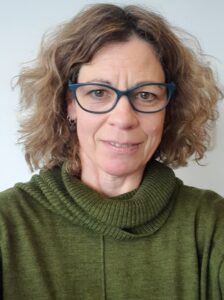
Leanne completed her PhD at the University of Otago, New Zealand, before moving to the University of Oxford to undertake postdoctoral research. In 2011, she established her own research group and is now Professor of Metabolic Physiology. Her research focuses on obesity-related metabolic diseases and the impact of dietary nutrients on hepatic lipid metabolism by using a combination of human in vivo, ex vivo, and in vitro models with advanced stable-isotope tracer methodologies. Leanne has received several prestigious fellowships and research awards, including funding from the British Heart Foundation and New Zealand’s Health Research Council. Her contributions to the supervision and mentoring of early-career researchers have also been recognised.
The Mabel FitzGerald Prize for Diversity in Physiology
This annual lecture celebrates excellence in physiological research from scientists from underrepresented backgrounds. The recipient of the 2027 Mabel FitzGerald Lecture is Professor Amos Fatokun. He will be giving this lecture at a scientific event organised by the Society in 2027 (TBD).
About the recipient: Professor Amos Fatokun
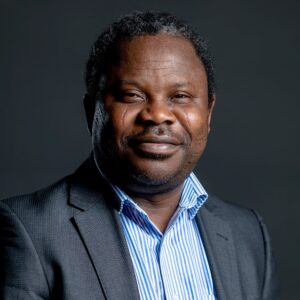
Amos Fatokun is Professor of Pharmacology and Neuroscience at Liverpool John Moores University, UK. His research explores the physiological and pathological roles of a range of molecular targets, such as poly (ADP-ribose) polymerase (PARP), in the context of developing novel therapeutics against diseases such as cancer and neurodegenerative conditions, and the work has identified and characterised novel chemical scaffolds with therapeutic potential. He also develops innovative compound screening and characterisation platforms for reducing attrition rates in preclinical drug discovery.
Amos obtained a Bachelor of Pharmacy (BPharm) Degree with Distinction from the Obafemi Awolowo University, Nigeria, followed by a funded PhD at the University of Glasgow, UK, exploring NMDA-mediated neuronal death, oxidative stress, and receptor-mediated neuroprotection. He then conducted postdoctoral research through competitive research fellowships, including the American Heart Association (AHA) Postdoc Fellowship at the Johns Hopkins University School of Medicine, USA; the EU Marie Curie International Incoming Fellowship, and the Nottingham Advanced Research Fellowship, both at the University of Nottingham, UK. He was a recipient of the University of Sydney’s International Visiting Research Fellowship in 2010.
Amos is a Fellow of the British Pharmacological Society (FBPharmacolS), the Royal Society of Chemistry (FRSC), and the African Academy of Sciences (FAAS). He has been recognised for excellence in research, innovation, and knowledge exchange, and for inspirational leadership and exceptional mentoring in addressing underrepresentation of black and minority ethnic groups in research. He was the winner of Liverpool John Moores University’s 2025 Vice-Chancellor’s Award for Excellence in Impact. A funded project on medical innovation and entrepreneurship which he led with international partners received a competitive Going Global Partnerships Award by the British Council in 2025, and he was the winner of the 2024 British Pharmacological Society’s Equity, Diversity and Inclusion Prize (sponsored by AstraZeneca).
The Otto Hutter Physiology Teaching Prize and Lecture
The GL Brown Prize Lecture is aimed at an early career audience to stimulate an interest in physiology. The recipient of the 2027 GL Brown Prize Lecture Series is Professor Nicholas Freestone. He is the first recipient of this award from a post-1992 institution. He will deliver the lecture at the annual Education and Teaching two-day focused meeting which will be at the University of Sussex from 1 – 2 April 2027.
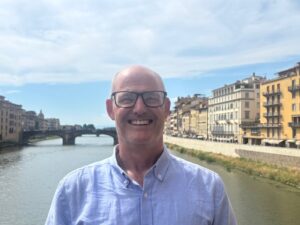
About the recipient: Professor Nick Freestone
Nick has constantly tried to engage his students so that they know he is on their side and wants them to reach their maximum potential, even if that takes hard work and development of resilience.
Nick’s advocacy for his students resulted in many learning, teaching and assessment awards within his own university. He was able to take these experiences and develop them further to win the Royal Society of Biology’s Higher Education Teacher of the Year Award in 2014. This led Nick to focus more deeply on how students learned and what processes, curricula and support mechanisms were best to facilitate their learning.
Having been elected as an Education Theme Lead for The Physiological Society, Nick was able to apply some of these principles to a wider audience especially in the rapidly changing learning, teaching and assessment environment caused by the Covid pandemic. Nick led a number of webinars on behalf of the Society to help colleagues engage with these changed times. His commitment to the Society is currently characterised by his membership of the Equality, Diversity and Inclusivity Committee.
A focus on under-represented and minoritised students led Nick to take an interest in degree awarding gaps. As a result of his work in this area Nick was awarded a National Teaching Fellowship in 2021 and he was subsequently asked by the Royal Society of Biology to set up a “Bridging Awarding Gaps in the Biosciences” Network which he now co-Chairs with Professor James McEvoy from Royal Holloway, University of London. Nick is also the current Chair of the judging panel for the Higher Education Bioscience Teacher of the Year Award instituting changes which have resulted in a much greater diversity of colleagues winning this award. His work with the Society of Experimental Biology’s “Diversifying Awards Taskforce” has also been fruitful in diversifying the winning of their awards to under-represented colleagues.
Whilst this recent focus has been on academic colleagues and their progression and promotion, Nick has continued to provide innovative support to his students. This resulted in him being awarded the Rang prize for Outstanding Achievement in the Teaching of Pharmacology by the British Pharmacological Society in 2025. Nick is motivated by concepts of fairness and equity as demonstrated by his engagement with the University and College Union and he does his best to represent the interests of both his students and colleagues in everything that he does.
The R Jean Banister Prize Lecture for Early-Career Physiologists
The R Jean Banister Prize Lecture Series is awarded to early career physiologists and is delivered in up to two locations across the UK and online. The 2027 R Jean Banister Prize Lecture Series recipient is Dr Francesco Giardini. He will be giving this lecture at a scientific event(s) organised by the Society in 2027 (TBD).
About the recipient: Dr Francesco Giardini
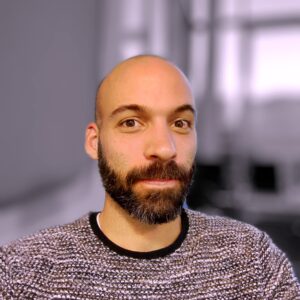
Francesco Giardini received his master’s degree in Biomedical Engineering in 2018 from the University of Florence. In 2019, he was awarded a short-term EMBO fellowship to visit Dr. Martin Bishop at the Cardiac Electro-Mechanics Research Group (CEMRG), King’s College London. In 2022, he obtained his PhD in Molecular Medicine from the University of Siena. From 2023 to 2026, he held a research position at the Institute for Experimental Cardiovascular Medicine (IEKM), Freiburg, Germany. He is now a researcher at the URT OptoCARD of the Institute of Clinical Physiology (CNR), Italy, and continues his collaboration with IEKM, Freiburg, as a guest scientist. His research focuses on 3D image analysis and computational modelling based on high-resolution whole-heart reconstructions to investigate cardiac tissue remodeling and electrical function. In 2025, he was awarded the DGK Research Fellowship from the German Cardiac Society (DGK) and received funding through the European Rare Diseases Research Alliance (ERDERA) transnational call to join an international consortium working on arrhythmogenic cardiomyopathy.
The Sharpey-Schafer Prize Lecture for Translational Physiology
This annual lecture has a focus on the translatability of physiological research outside academia. The recipient of the 2027 Sharpey-Schafer Lecture is Professor Marcelo Rivolta. He will be giving this lecture at a scientific event organised by the Society in 2027 (TBD).
About the recipient: Professor Marcelo Rivolta
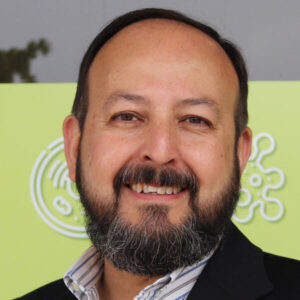
Marcelo Rivolta earned his qualification in Medicine and Surgery from the National University of Córdoba, Argentina, before completing his fellowship and PhD research at the National Institute on Deafness and Other Communication Disorders (NIDCD) at the NIH in the United States. Over a distinguished 30-year career in hearing research and regenerative medicine, he has held research and teaching positions at the NIH and the Universities of Bristol and Sheffield.
Since 2013, Marcelo has served as Chair of Sensory Stem Cell Biology at the University of Sheffield, where he leads a research team dedicated to developing stem cell therapies for hearing loss. His laboratory achieved major milestones by identifying and isolating stem cells from the human fetal cochlea, and established one of the earliest, developmentally informed protocols to direct human pluripotent stem cells into auditory cell types. Furthermore, his research provided crucial preclinical proof of concept that stem cells can functionally repair a damaged cochlea in a mammalian model.
Driven by a commitment to translate scientific breakthroughs into clinical solutions, Marcelo founded Rinri Therapeutics in 2018, where he serves as Chief Scientific Officer. Rinri is a clinical-stage biotechnology company advancing pluripotent stem cell therapies to treat hearing loss. Its lead candidate, Rincell-1, is an allogeneic regenerative cell therapy designed to restore damaged auditory nerves in patients with neural forms of sensorineural hearing loss. It is set to progress into first-in-human clinical trials in the very near future.
The Widening Participation in Physiology Prize Lecture
This annual lecture celebrates impactful work in increasing the number and diversity of people studying and conducting research in physiology. The recipient of the 2027 Widening Participation in Physiology Prize Lecture is Professor Cormac Taylor. This will be delivered online in 2027 (date TBD).
About the recipient: Professor Cormac Taylor
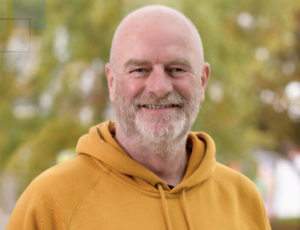
After obtaining his PhD in Pharmacology from University College Dublin, Cormac carried out a postdoctoral fellowship at Brigham and Women’s Hospital / Harvard Medical School where he focussed on novel therapeutic approaches to Inflammatory Bowel Disease (IBD). He has published over 120 manuscripts and supervised 23 PhD students. In 2014, Professor Taylor was elected to the Royal Irish Academy. In 2014, he received the Midcareer Mentorship Award from Nature and the 2017 Takeda Distinguished Research Award from the American Physiological Society. Cormac is a passionate advocate for Equality, Diversity and Inclusion (EDI) with a particular emphasis the challenges faced by LGBTQIA+ scientists and the importance of engaging men in EDI initiatives. He is currently working on a book highlighting the contributions that LGBTQIA+ scientists have and continue to make to discoveries that benefit society as a whole.