Membership
Honouring the past, inspiring the future
By Dr Roslina Abdul Rahim, Associate Professor, International Islamic University Malaysia, Malaysia
Paton Historical Studies Fund recipient and Member of Physiology News Advisory Group
Associate Professor Dr Roslina Abdul Rahim was awarded The Society’s Paton Historical Studies Fund to set up a history of physiology poster competition. She tells us more about her project and its benefits for student education.
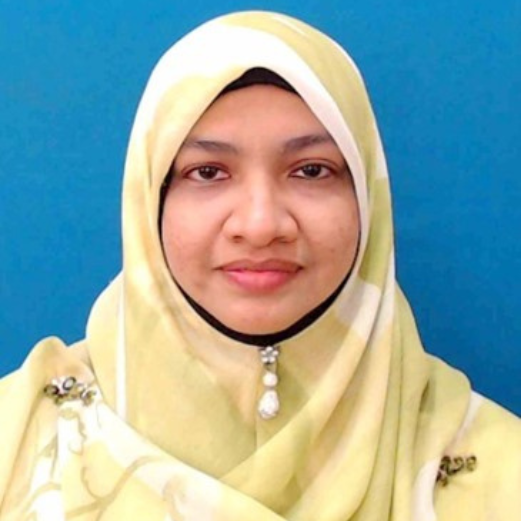
Roslina Abdul Rahim
On 20 February 2025, the International Islamic University Malaysia (IIUM) hosted its much-anticipated History of Physiology Poster Competition 2025, a pioneering event designed to foster a deeper understanding and appreciation of the historical milestones in physiology. The competition was held at Kulliyyah of Medicine, IIUM Kuantan Campus, bringing together passionate undergraduate and postgraduate students from across Southeast Asia to celebrate the evolution of physiological science.
The competition, supported by The Paton Historical Studies Fund, aimed to engage participants in tracing the profound journey of physiological discoveries, highlighting significant contributions from both Islamic and Western traditions. From ancient texts to modern breakthroughs, the event provided an immersive experience that showcased how historical knowledge continues to shape modern medical research and practices.
Rooted in history – connecting the foundations and modern-day advancements of physiological research
During the Islamic Golden Age (8th to 14th centuries), scholars played an instrumental role in preserving, translating, and expanding upon ancient Greek, Roman, Persian, and Indian scientific texts. This era laid a vital foundation for many of the principles that continue to influence contemporary physiology. In parallel, modern Western physiology has evolved to focus on integrative research, connecting fields such as neuroscience, endocrinology, and cardiovascular physiology to understand the intricate interplay of bodily systems.
By bringing attention to these historical achievements, the competition encouraged students to reflect on the roots of physiological research and their relevance to today’s scientific advancements. This year’s competition was internationally recognised, thanks to the Paton Historical Studies Fund. I led the event with my team: Assistant Professor Dr Aszrin Abdullah, Associate Professor Dr Maizura Mohd Zainudin, Assistant Professor Dr Nor Baiyah Mohd Bakrim, and Assistant Professor Dr Wan Fatein Nabeila Wan Omar and Assistant Professor Dr Azril Shahreez Abdul Ghani from the Physiology Unit, Department of Basic Medical Science, Kulliyyah of Medicine, IIUM.
The competition welcomed 12 teams from various institutions, including IIUM medical students, Universitas Ciputra (Indonesia), and Universiti Sains Malaysia (USM). Each team presented colourful and meticulously designed posters, along with 3D models and engaging video presentations. These materials covered key developments, influential figures, and groundbreaking paradigm shifts in the history of physiology.
Competition rounds and judging
The judging process for the competition was thorough and designed to ensure a fair and comprehensive evaluation of each team’s efforts. A distinguished panel of judges assessed all submissions, including Assistant Professor Dr Rosazra Roslan from the Kulliyyah of Pharmacy, IIUM, and Assistant Professor Dr Hamad Abdulsalam Hamad Alfarisi from the Kulliyyah of Dentistry, IIUM. The competition unfolded over two rounds.
In the first round, submissions were evaluated based on several criteria: the accuracy and relevance of the content, creativity and innovation in the presentation, clarity of communication, and the overall impact and engagement of the project. These factors ensured that participants not only understood the material but also conveyed it in a manner that was both informative and engaging.
In the second round, teams delivered a five-minute oral presentation, providing them with the opportunity to elaborate on their research findings and share deeper insights into the historical significance of their topics. This round was followed by a question-and-answer session with the judges, allowing participants to demonstrate their knowledge, critical thinking, and ability to defend their findings under scrutiny. This comprehensive evaluation process helped highlight the depth of research, creativity, and presentation skills of the students.
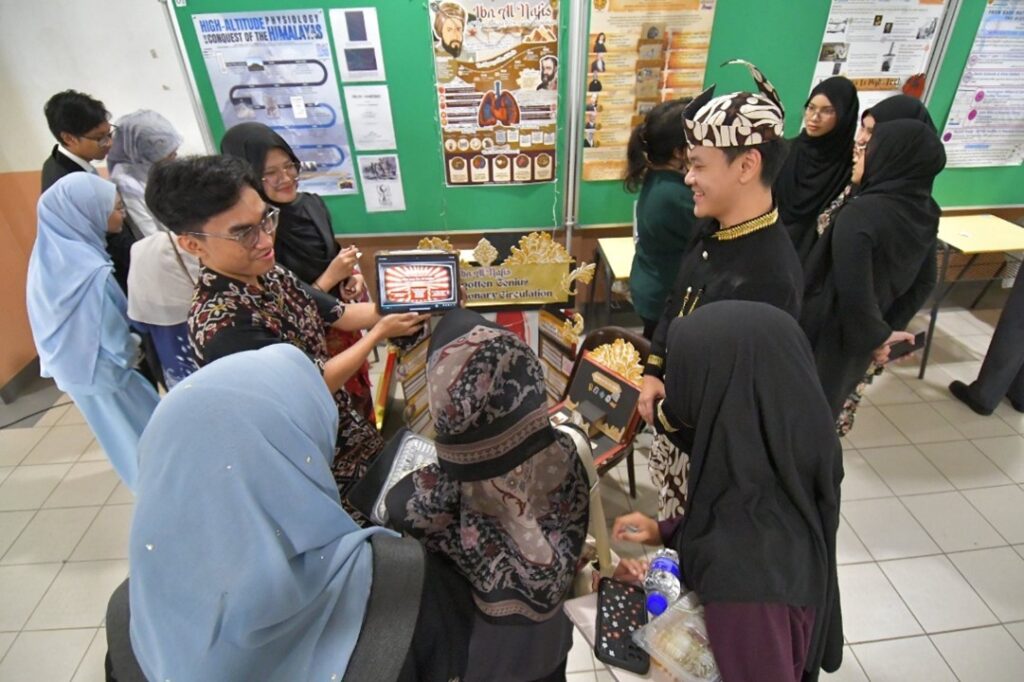
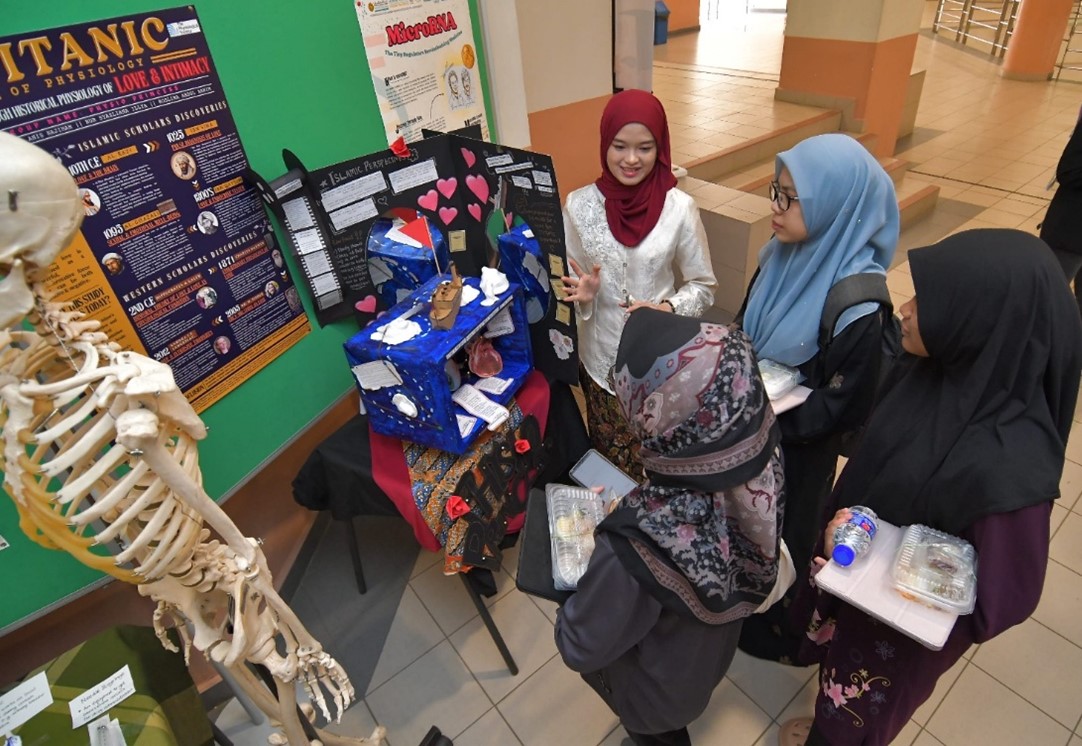
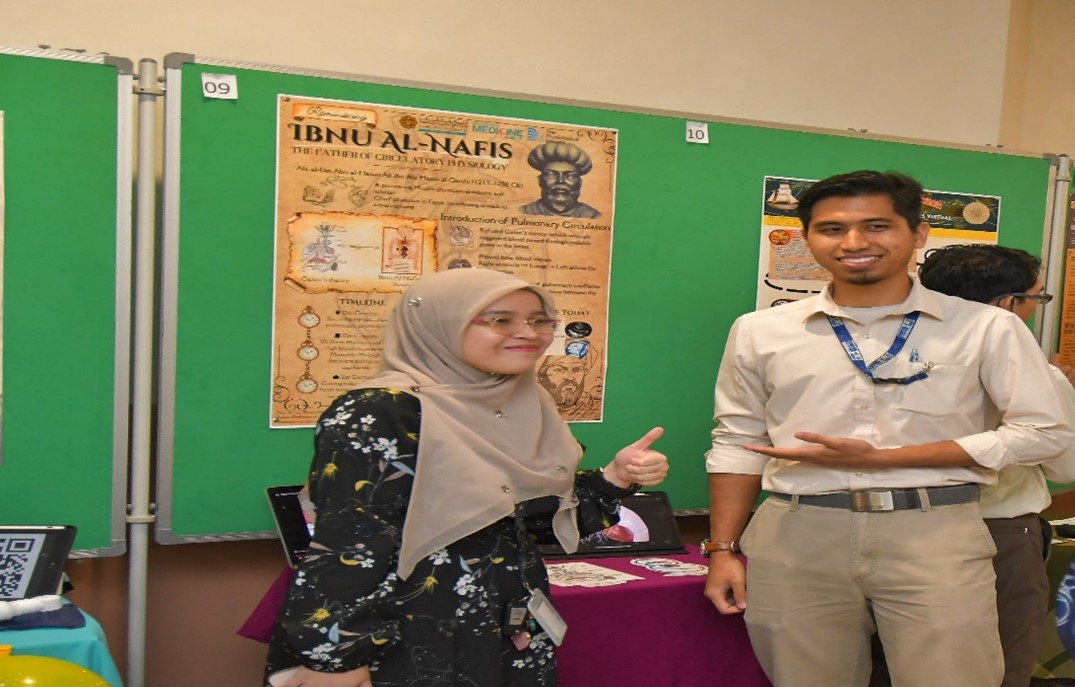
From left to right: First runner-up presenting their model and poster to visitors (image on left). Second runner-up presents poster and video (image on right)
Awards ceremony
The competition concluded with a ceremony that celebrated the achievements of all the participants, acknowledging their dedication, creativity, and depth of research. The top honour was awarded to the Universitas of Ciputra team from, Indonesia for their presentation titled “Ibnu Al Nafis: A Man Behind Pulmonary Circulation.” Supervised by Dr Raden Roro Shinta Arisanti, the team, consisting of Br. Dharma Sultan, Sr. Tiara Salsabila, and Br. Hendrik Hanok Lenggu, was commended for their excellent research and engaging presentation. As the champions of the competition, the team was awarded a cash prize of £150.
The first runner-up title went to the Physio Princess team from IIUM, who presented “Titanic of Physiology: Sailing Through the Historical Physiology of Love and Intimacy”. The team were under my supervision, and its members, Sr. Annisya Sofia Iswandi, Sr. Anis Najihah Azli, and Sr. Nur Syazliana Illya Shuhaimi, captivated the judges with their creative interpretation of physiology’s historical aspects related to human intimacy. The team was awarded a prize of £100 for their excellent effort.
The second runner-up was awarded to The Prodigies from IIUM for their insightful exploration of “Ibnu Al Nafis: The Father of Circulatory Physiology,” supervised by Associate Professor Dr Maizura Zainudin. The team, made up of Sr Nir Affisa Emalin Mohd Roshanaffi and Br. Muhammad Imran Saiful Aizar, received a prize of £50 in recognition of their thorough research and engaging presentation.
Other notable entries included the Physiominds team from Universiti Sains Malaysia, who secured fourth place with their project “Roots of Neurophysiology: Historical Breakthroughs in Brain and Spinal Cord Physiology,” supervised by Dr Nazlahshaniza Shafin and presented by Sharmili A/P Sivanathan. The team received a cash prize of RM100.
The ECG team from IIUM clinched fifth place for their detailed exploration of “From Horse to High-Tech: The Evolution of Blood Pressure Measurement,” supervised by Associate Professor Dr Maizura Zainudin and presented by Sr. Nur Ainn Amalien Iman Mazlan, Sr. Nur Nazuhah Ahmad Nazulan, and Sr. Afifah Nabihah Ahmad Nizam-also received a prize of RM100.
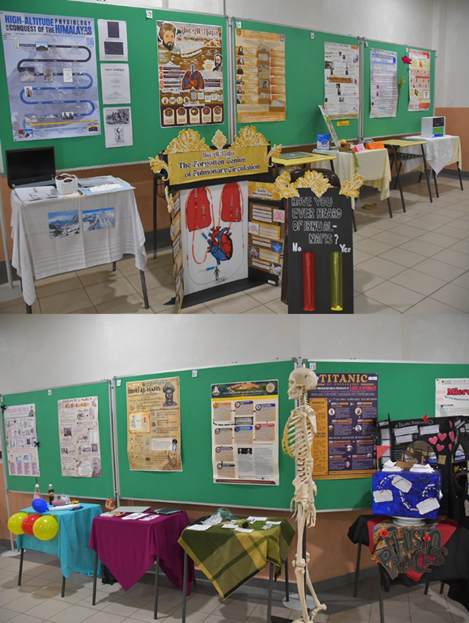
Poster and models created by competition participants
Enhanced learning and skills development
Participation in the IIUM History of Physiology Competition provided numerous benefits for the students involved. First and foremost, it offered a unique platform for participants to deepen their understanding of physiological concepts while appreciating the historical context of significant scientific discoveries. This broader perspective helped students connect past innovations with current research trends, fostering a more comprehensive grasp of their field.
Moreover, the competition served as an excellent opportunity to develop research and presentation skills. From compiling historical data to designing visually appealing posters and delivering persuasive oral presentations, students honed their ability to convey complex scientific information effectively. The competition also enhanced students’ critical thinking and problem-solving abilities as they navigated the challenge of transforming historical research into engaging visual and oral formats.
Another significant benefit was the development of public speaking skills. The presentation and Q&A sessions allowed participants to build confidence in communicating their ideas clearly and effectively, an essential skill for future researchers and professionals in the medical field. Furthermore, the competition fostered meaningful networking opportunities, enabling students to connect with peers, mentors, and professionals from various institutions and cultural backgrounds.
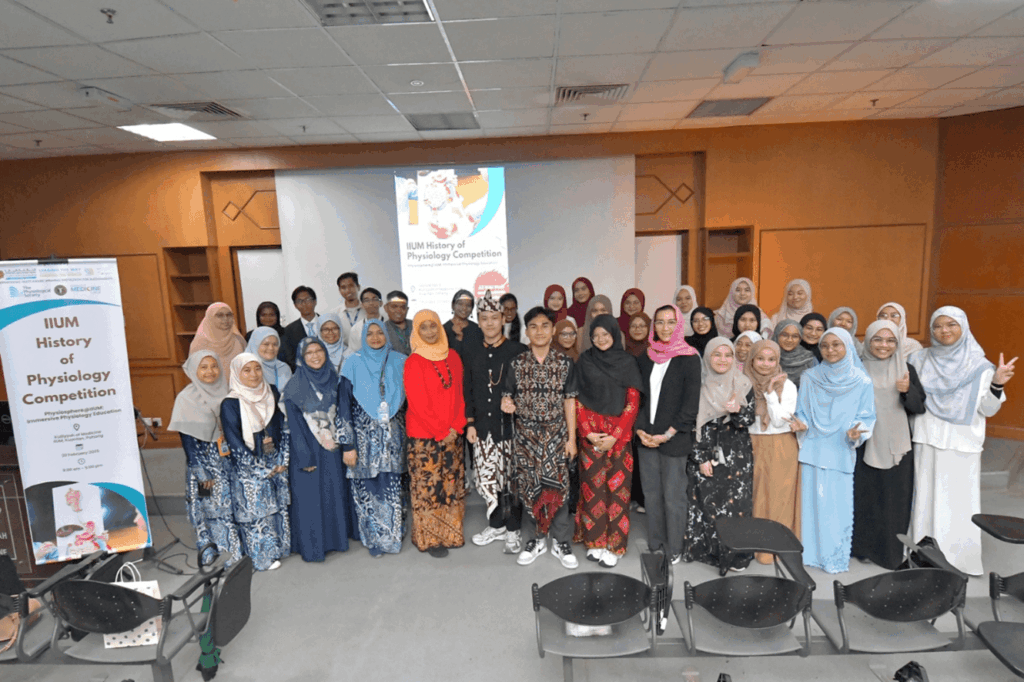
Group photo of competition participants and their supervisors
Historical research to foster student curiosity
By revisiting historical breakthroughs in physiology, the competition inspired students to think creatively and innovatively about future research possibilities. Many participants left the event with a renewed sense of motivation, eager to contribute their discoveries to the ever-evolving field of medical science.
The success of the IIUM History of Physiology Poster Competition 2025 marked a significant step toward enriching the educational experience for students in the medical field. The event fostered intellectual curiosity, encouraged interdisciplinary learning, and highlighted the importance of understanding the historical foundations of modern science. With the strong support of international partners and enthusiastic participation from students across Southeast Asia, future editions of this competition are set to attract even wider global interest.
Congratulations to all the participants, winners, and organisers for their outstanding contributions. Events like this not only celebrate the legacy of scientific discovery but also inspire the next generation of researchers and healthcare professionals, ensuring that the spirit of innovation and intellectual inquiry remains alive and thriving.