News & Views
Medical student Ahmed Abdelkarim Romana reflects on the opportunity and shares his hopes for science research in Palestine
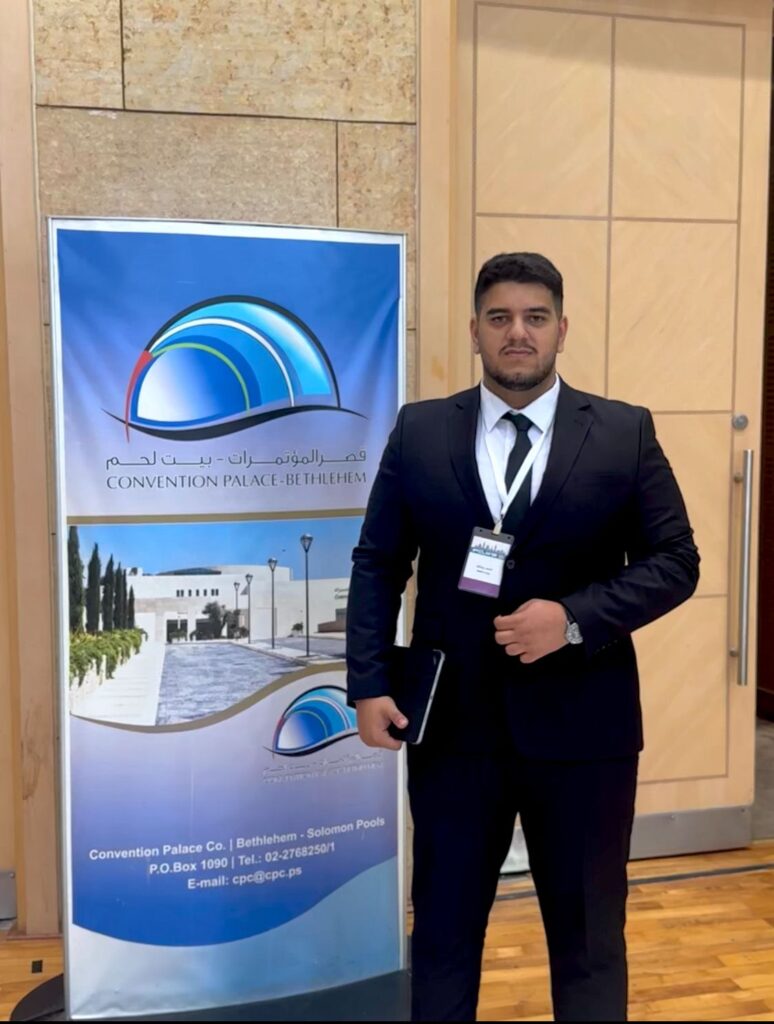
Ahmed Abdelkarim Romana, Medical student at Al-Quds University, Palestine
Ahmed Abdelkarim Romana is a third-year medical student at Al-Quds University in Palestine and an intern in the Department of Neuroscience, Physiology & Pharmacology at University College London (UCL). He is also the founder of the Palestinian Medical Education and Development (PMED) Club, a medical society that aims to empower medical students and physicians from conflict zones by providing them with educational content, research opportunities, and mentorship through specialised divisions such as the PMED Cardiology Club and others.
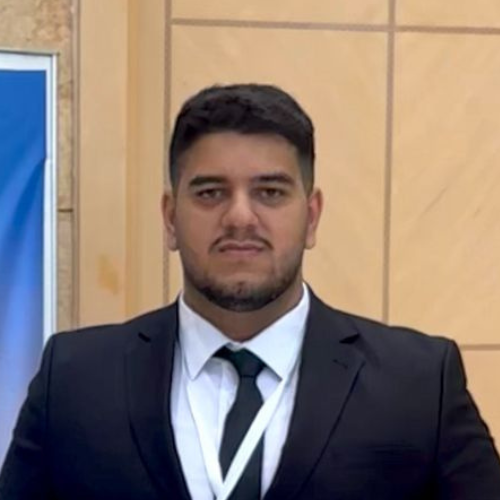
Ahmed Abdelkarim Romana
“Once I arrived at the lab, I felt as if I had entered a different world,” recounts Ahmed Romana, in awe of the advanced scientific research environment during his internship at University College London, UK. He shares his experience and gratitude for the opportunity, and his excitement for the skills he’ll share and grow back home in Palestine.
I chose medicine because I believe it is the field with the most unanswered questions and one of the most powerful fields where a person can truly make a difference. I’m especially drawn to neuroscience. When we study diseases, we often focus only on the specific organ or system affected, but sometimes we forget to look deeper at the controller behind it all: the nervous system. That was the main reason I aimed to secure an internship at the top neuroscience department in Europe, at UCL.
During this internship, I have learnt so many incredible things. Once I arrived at the lab, I felt as if I had entered a different world. It was so unlike anything that I’d previously encountered. There were so many microscopes, experiments, protocols, and advanced machines, such as confocal and two-photon microscopes, none of which we have in Palestine. I was amazed and eager to learn how to use these instruments.
I practiced preparing brain slices from mice followed by immunohistochemistry (IHC), and I completed four IHC experiments. I worked on experiments using brain slices, exploring structures such as capillaries, astrocytes, pericytes, mitochondria and endothelial cells through confocal microscopy. I learnt how two-photon microscopy works and gained a strong understanding of its advantages and applications. I enjoyed hearing about the broad array of research projects being conducted by lab members.
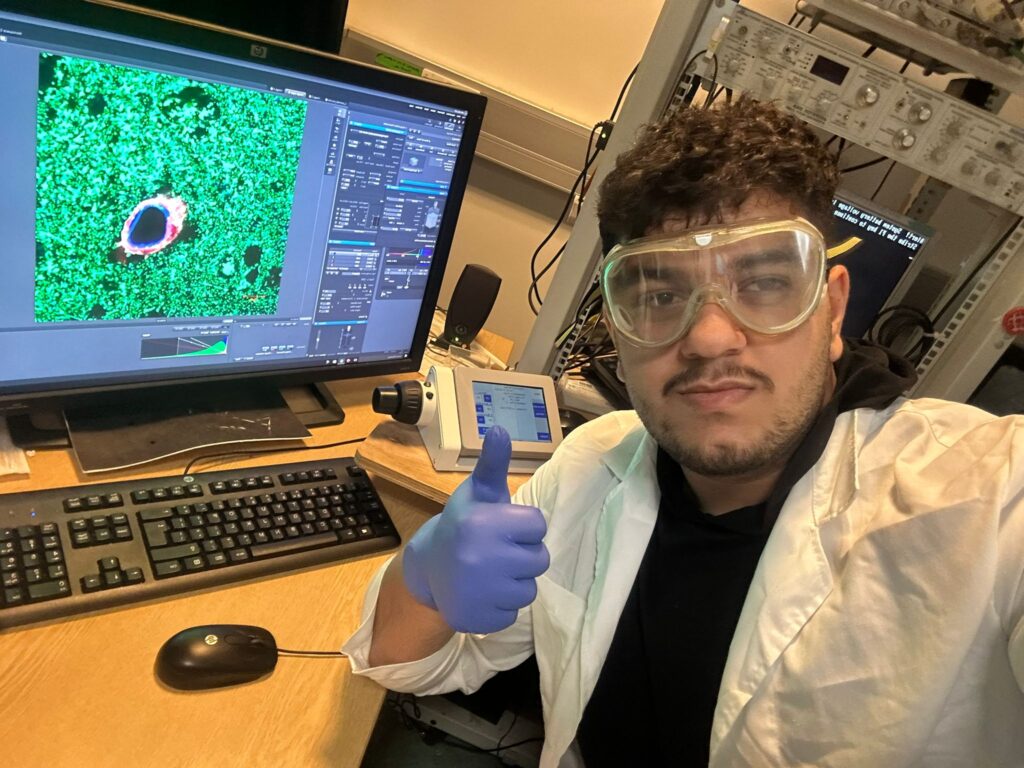
I learned how to quickly adapt to a new culture, alongside adjusting to the unfamiliar protocols and picking up new scientific techniques. I am so excited to return to Palestine and share these experiences and knowledge with my friends and colleagues.
I will also continue to update the skills I gained from this internship and work remotely to further develop them. There are many humanitarian priorities in Palestine due to ongoing wars and conflict so there is far less funding available for scientific research compared to the UK and Europe. I hope Palestine can develop its science base in the future. I see my knowledge and skills as a seed to contribute to the growth of scientific culture in Palestine.
Many thanks to my supervisors, David Attwell and the researchers in his lab, George Sideris- Lampretsas, Harvey Davis, Meiting Mai and Silvia Anderle, for offering me this incredible opportunity and aiding my desire to make a difference to society. This internship was a life-changing experience, one that I firmly believe will inevitably generate a real impact, despite the difficult circumstances that we live in.