Events
Oral and poster competition awardees
On 16 – 17 April, researchers examined the complex interplay between neuroendocrine regulation, micro-neuro-vascular function, cardiometabolic health, and cognitive decline at our meeting, ‘Microvasculature as a Key Regulator of Health and Disease in the Brain and Beyond’ which took place at Sainsbury Wellcome Centre for Neural Circuits and Behaviour.
During the meeting, early career researchers presented in the oral and poster competitions. Congratulations to the prize winners announced on 17 April, presenting the awardees.
Prizes awarded
Oral Communication
Winner
Aisling McFall (University of Glasgow, UK)
Runner up
Jennifer Cale (University of Nottingham, UK)
Poster Competition
Joint winners
Declan Manning (University of California Davis, US)
Eleonora Patitucci (Cardiff University, UK)
Runner up
Alexander Brenchley Williams (University of Nottingham, UK)
Hear more about the research presented at the meeting
Mind over MASLD: Unravelling brain dysfunction in liver disease
“Worldwide, the chronic liver disease known as MASLD (short for metabolic dysfunction-associated steatotic liver disease) is placing a growing burden on healthcare systems and societies. This is through rising medical costs, increased social care needs, and loss of workforce productivity,” states Dr Anna Hadjihambi from King’s College London and Foundation for Liver Research, UK. “Much of this burden occurs in mid-to-late adulthood and in advanced disease stages, strengthening the case for early intervention.” Anna and her lab are researching how MASLD affects the brain and the ageing process. Their work could inform earlier diagnosis and new strategies to support healthier ageing globally. We interviewed Anna to find out more about her career and research, which involves exploring the connection between the liver, neuroscience and physiology.
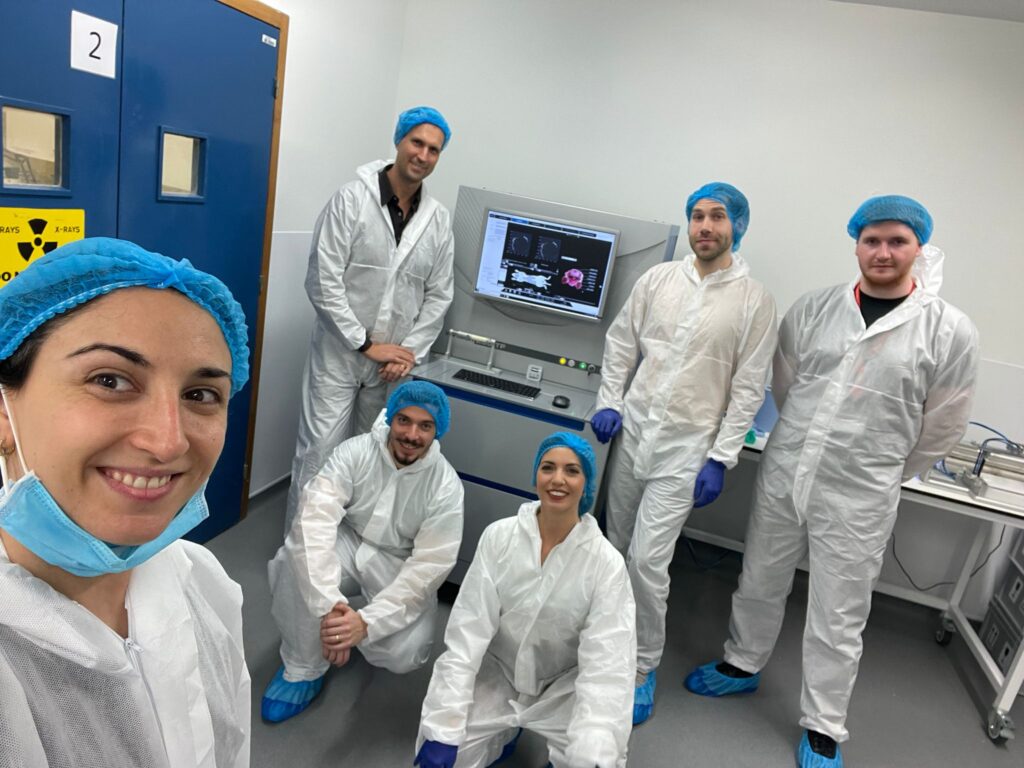
Improving cardiometabolic health: Why we need new therapeutic targets
“Over 8 million people in the UK are affected by a cardiometabolic disease, which includes heart attack, stroke, type 2 diabetes, fatty liver disease and hypertension,” states Dr Paul Meakin from University of Leeds (UK). “Despite recent therapeutic advances, cardiometabolic disease remains the leading cause of death and disability in the UK, accounting for around a quarter of all deaths.” Paul explains the critical need for identifying novel drug targets to improve cardiometabolic health. He is particularly interested in the potential of the enzyme BACE1 as a new therapeutic target. We interviewed Paul to learn more about his research uncovering the roles and functions of this enzyme, which began from a serendipitous observation.