Events
Prize winners announced at our physiology education and teaching meeting
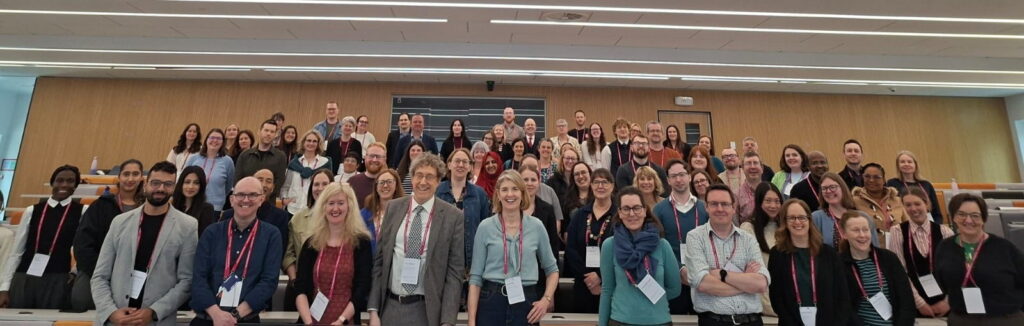
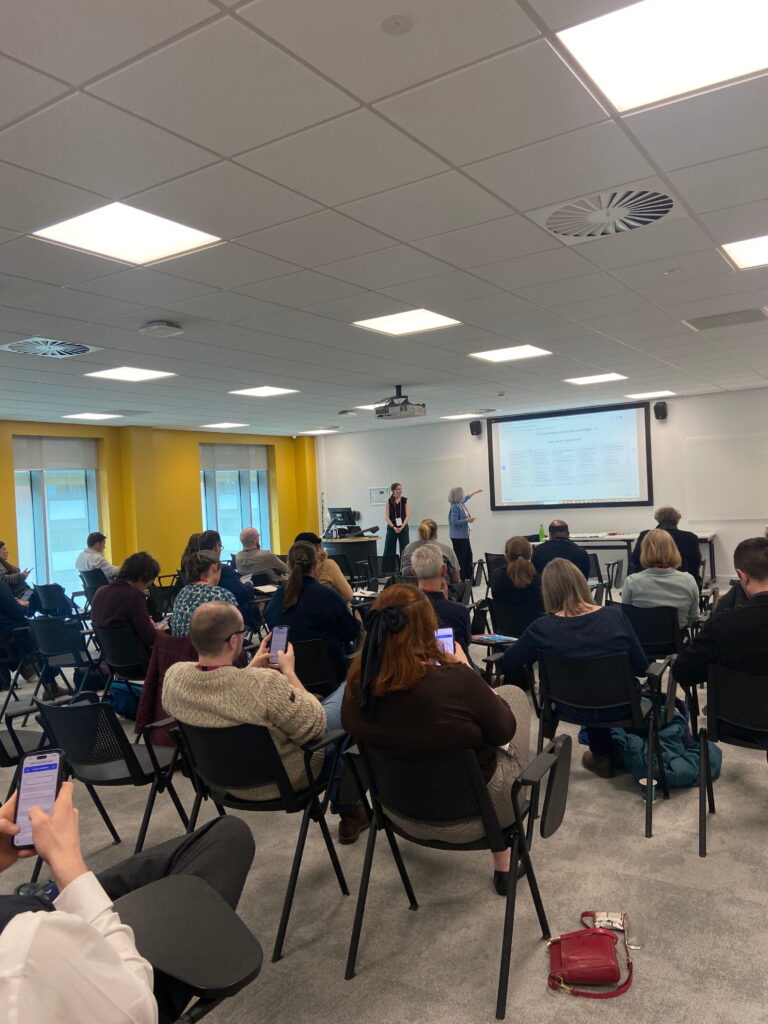
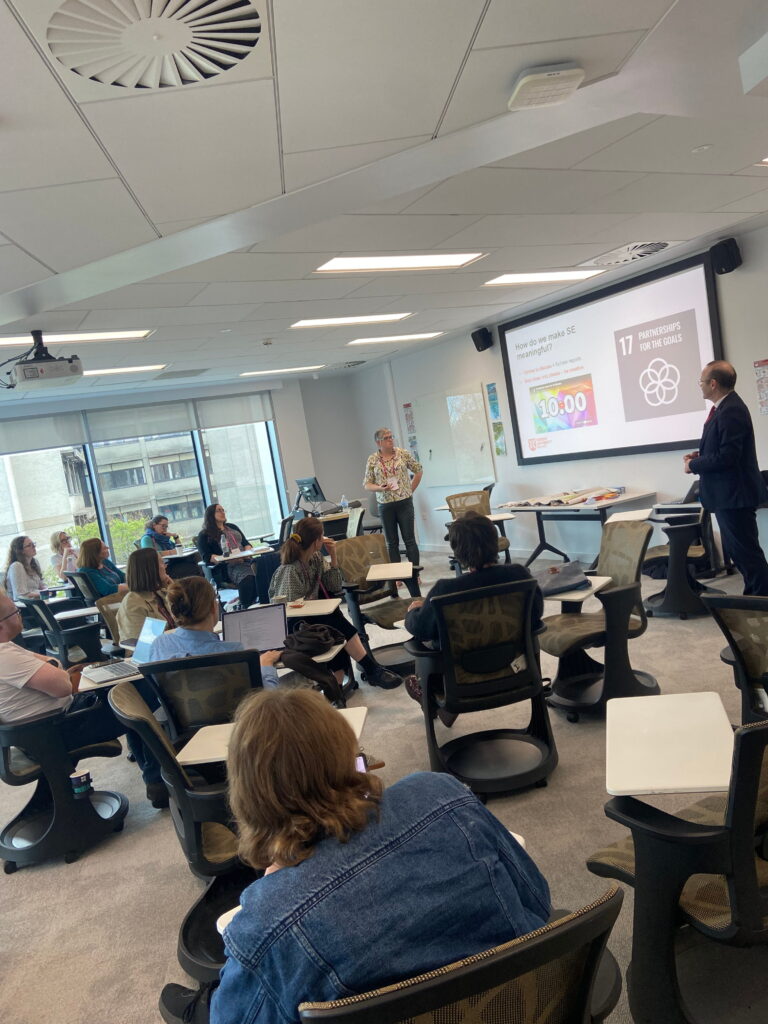
On 14 – 15 April, physiology educators across career stages and subject fields gathered at Newcastle University to discuss innovation and best practice at our meeting, ‘Fit for the Future: Physiology Education and Teaching in the UK’.
“The teaching of physiology has and is undergoing significant change in many UK establishments,” say the meeting programme organisers, Dr Alison Howard, Dr Christina Elliott, Dr Harley Robertson-Cocks, and Dr Michelle Sweeney (Newcastle University, UK). They add, “the changing face of physiological education and pressures on higher education in the UK makes it essential for those involved to meet to discuss developments, share innovations, and raise the profile of physiology”.
During the meeting, we discussed incorporating and promoting physiology in broader biomedical and clinical programmes, how to engage students with physiological content, and how to address the challenge of restricted finances, growing class size, and changes to academic careers.
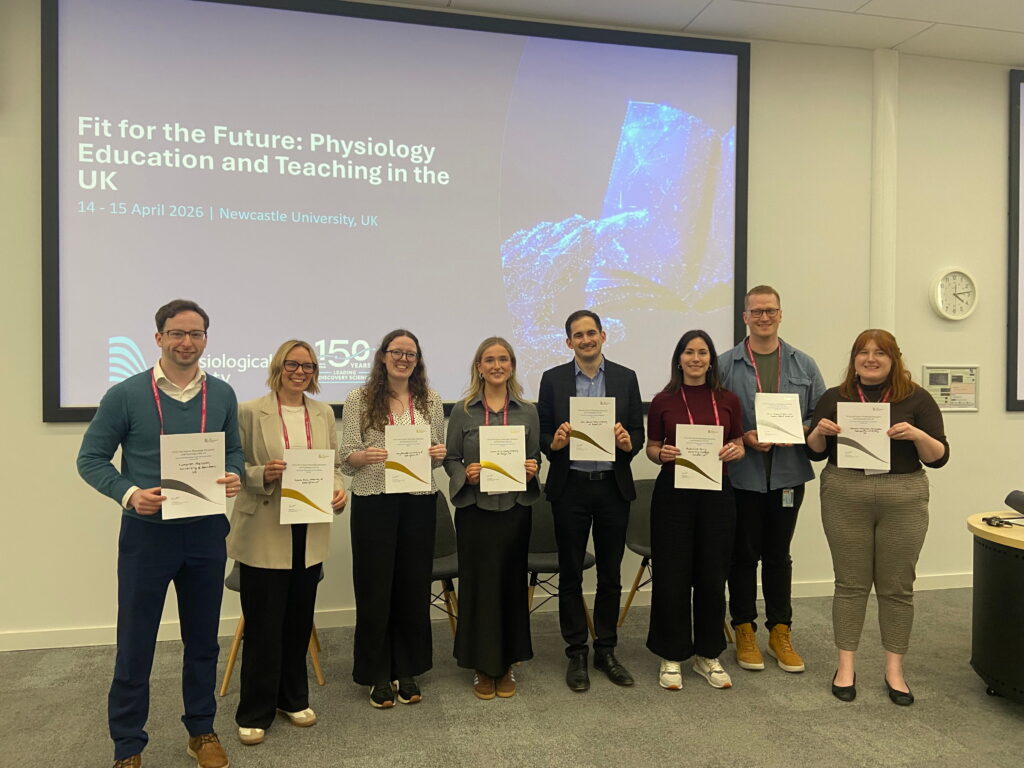
Early career researchers took part in oral communications, flash talks, poster competition and student soapbox. Presenting the prize winners for each category.
Prizes awarded
Oral Communication
Joint winners
Laura Rich (University of Nottingham, UK)
Amy Bennett (University of Nottingham, UK)
Runner up
Oliver Steele (Brighton and Sussex Medical School, UK)
Flash Talks
Winner
Madeleine Hurry (UCL, UK)
Runner up
Cameron Malcolm (University of Aberdeen, UK)
Poster Competition
Winner
Alex Stuart Kelly (University of Sussex, UK)
Runner up
Natasha Hadgraft (Manchester Metropolitan University, UK)
Student Soapbox
Winner
Lauren Mcclafferty (University of Glasgow, UK)
Runner up
Jenna-Mae Wilson (Newcastle University, UK)
Prize Lecture
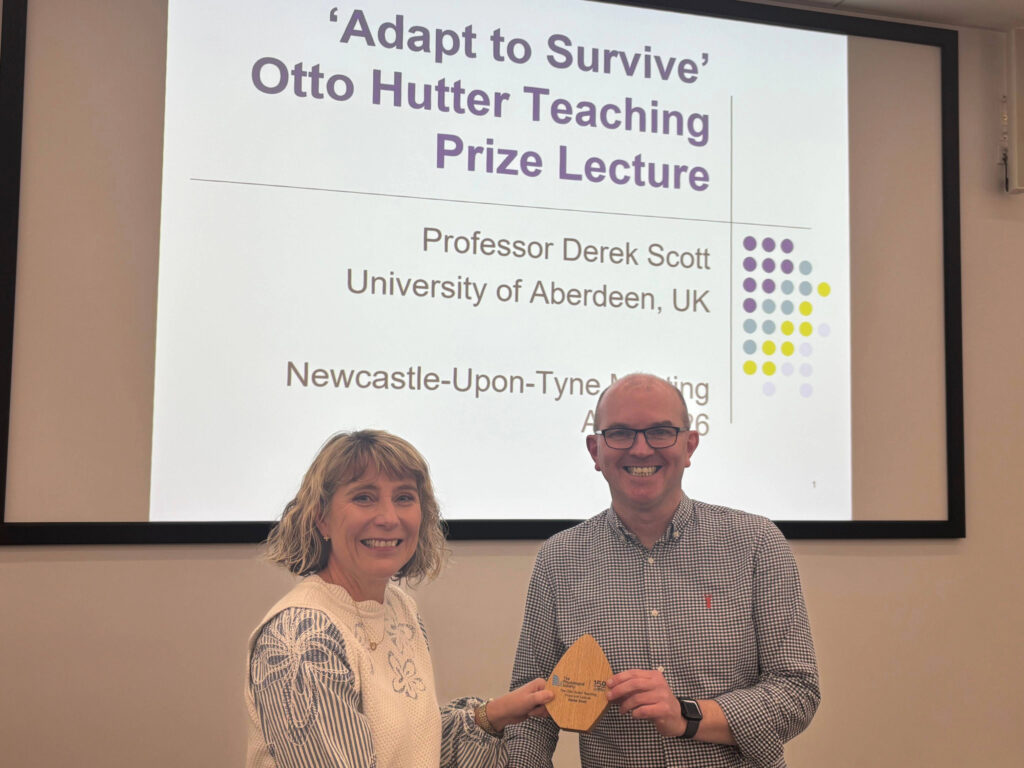
Professor Derek Scott (University of Aberdeen, UK) delivered his Otto Hutter Teaching Prize and Lecture, ‘Adapt to Survive’. Derek examined how purposeful adaptation could secure the future of the discipline, choosing to highlight the value of what he terms “disruptive physiology”. He describes it as “a willingness to challenge established norms and to experiment with new approaches in teaching, research, and application, rather than relying on traditions that have shaped physiology for decades”.