Events
Meet the early career researcher competition winners and runners-up
On 9 July 2025, the early career researcher oral and poster competition prizes were announced at ‘The Physiology of Obesity: From Mechanisms to Medicine’ meeting, which took place at the University of Nottingham, UK. Since the award presentation, we followed up with the winners and runners up, Amanda MacCannell, Joshua Awoke and Colette Milbourn, to learn more about their research projects.
Dr Amanda MacCannell, University of Leeds, UK
Michael J Rennie Oral Communication Prize winner for their presentation, ‘From Hibernators to Humans: Repurposing Drugs for Metabolic Health’.
My fascination with fat began during my undergraduate studies in biology, where I became intrigued by hibernating animals. I was captivated by how hibernators manage their energy so efficiently, storing fat to survive long, cold winters and then seamlessly returning to activity. That curiosity grew into both my undergraduate and MSc research projects, where I explored the biology of hibernator fat.
Over time, my interest evolved from understanding fat in animals to investigating how we might harness similar mechanisms to improve human health. I wanted to make an impact in an area that affects millions: obesity and metabolic disease. This led me to my current research, which focuses on whether drugs originally developed for Alzheimer’s disease, and known to cause weight loss as a side effect, could be repurposed for cardiometabolic conditions.
What excites me most about this work is its potential for faster translation to patients. Because these drugs have already entered the clinical pipeline, there’s an opportunity to accelerate their development for new therapeutic uses, rather than starting entirely from scratch.
The most rewarding moments have come from seeing that a treatment designed for one purpose might hold promise for another, especially one that could have such a wide-reaching impact on health and wellbeing.
Looking ahead, I hope our team’s work contributes to safer, more effective options for people living with metabolic disorders. Ultimately, I’d love to see these repurposed drugs helping patients achieve better weight management and cardiovascular outcomes.
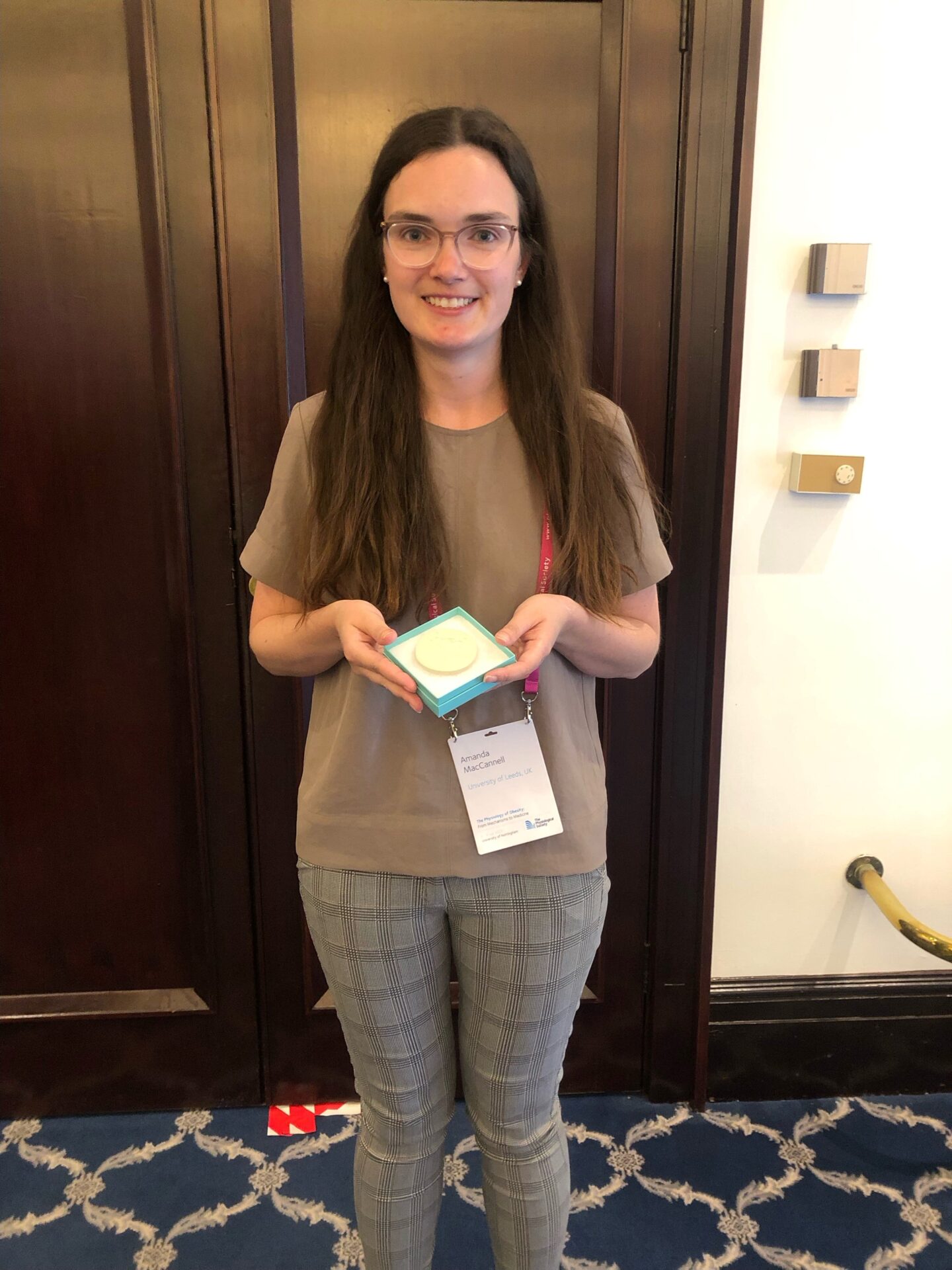
Dr Amanda MacCannell (University of Leeds, UK) Michael J Rennie Oral Communication Prize winner
Joshua Awoke, Nottingham Trent University, UK
Early Career Researcher Poster Competition winner for their poster, ‘Potential Role of Carnosine to Ameliorate Inflammation in Metabolic Diseases’.
During my undergraduate studies, I was introduced to the elegance and efficiency of physiological processes in living system and so began my captivation with physiology. Diabetes and obesity were introduced as major human diseases that result due to physiological dysregulations. I further became passionately interested in studying more about the physiological processes that are complicit in diabetes and obesity due to the painful loss of my foster sister, who was only a teenager when she passed, due to diabetes related complications.
I therefore opted to do a PhD in biomedical science at Nottingham Trent University with my research project focusing on the anti-inflammatory actions of carnosine, a small endogenous dipeptide, in metabolic diseases. The specific project I presented on at the meeting was titled “Potential Role of Carnosine to Ameliorate Inflammation in Metabolic Diseases”. It was a quest to understand how the physiological process of inflammation contributes to the development of diabetes and obesity. Moreso, whether carnosine could mitigate this process.
Remarkably, I found that inflammation of the pancreatic beta cells contributes significantly to the development of diabetes and that carnosine has the potential to modulate this physiological process, thereby protecting the beta cells from dysfunction.
With this interesting finding, I am hoping to investigate carnosine in more preclinical studies followed by clinical trials and see its potential use in the future for the treatment and management of diabetes. Going forward, I would love to focus on understanding the physiological and biochemical processes that are complicit in type 1 diabetes (T1D) and how they could enhance our understanding of diagnosis, prognosis and treatment/management of T1D. I will also engage in community outreach to interact with people living with T1D and bridge the gap between scientific discovery and real-world impact.
I would like to thank the Physiological Society for organising the meeting and for my poster award.
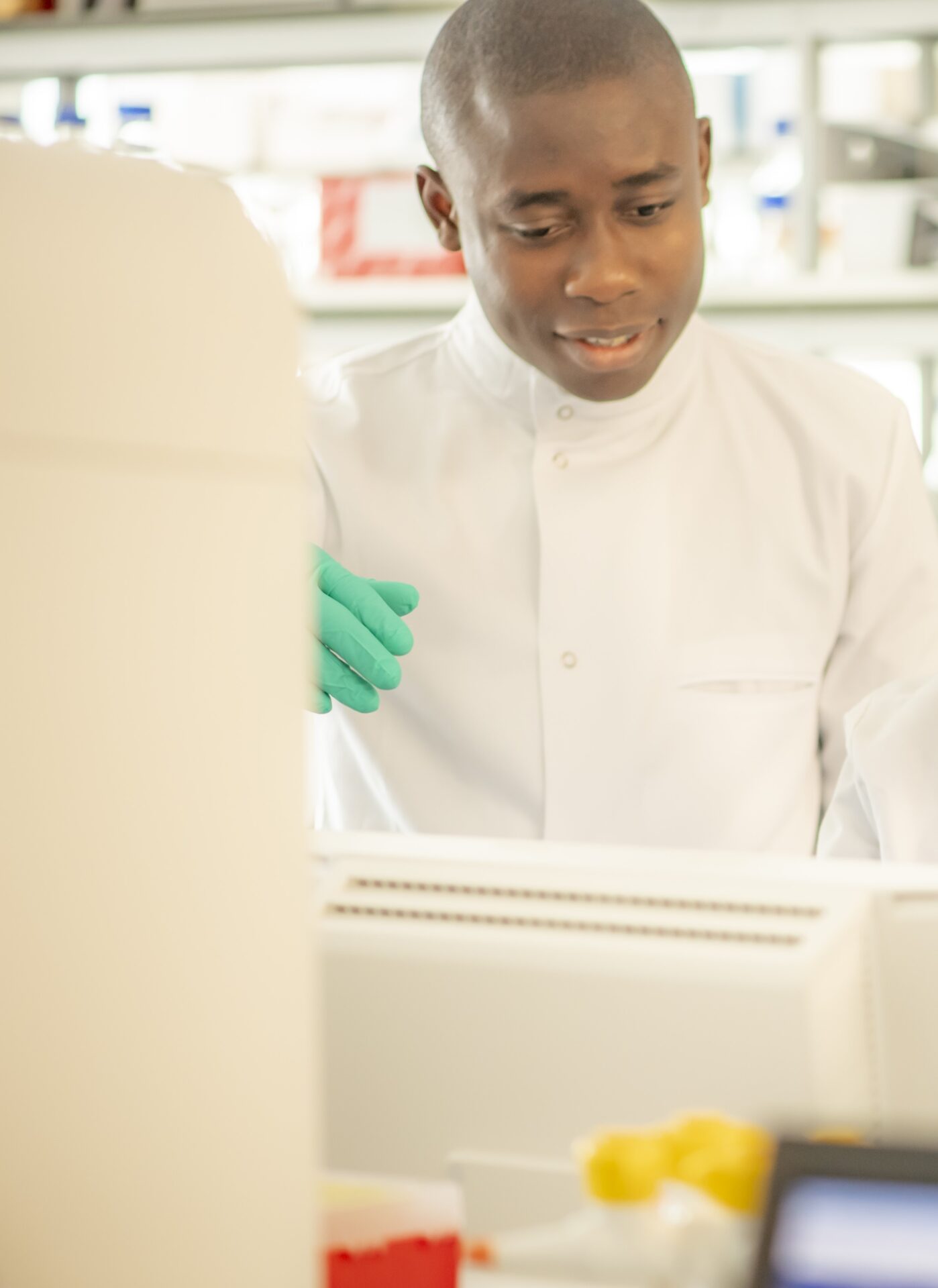
Joshua Awoke (Nottingham Trent University, UK) Early Career Researcher Poster Competition winner
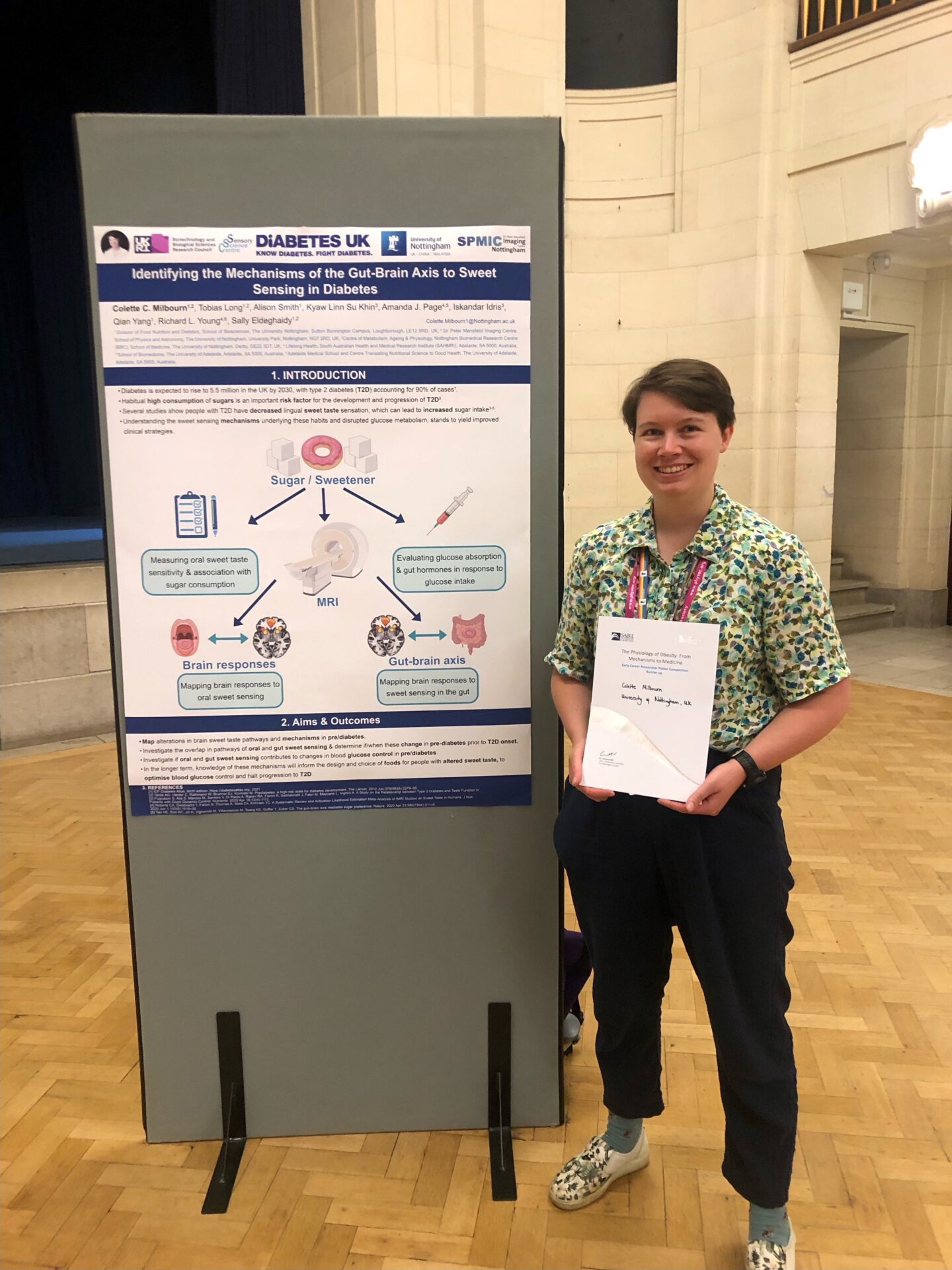
Colette Milbourn, University of Nottingham, UK
Runner up of the Early Career Researcher Poster Competition for their poster, ‘Identifying the mechanisms of the gut-brain axis to sweet sensing in diabetes’.
My background is in neuroscience, from working on a neurocritical care unit to more recently finishing my PhD in human brain imaging – I love everything to do with brains!
I recently started a postdoc with Dr Sally Eldgehaidy at the University of Nottingham, looking at the brain-gut axis in ‘Sweet sensing in type 2 diabetes: Identifying the mechanisms of gut-brain axis to sweet sensing in patients with type 2 diabetes using neuroimaging techniques’. I’ll be using advanced MRI (Magnetic Resonance Imaging) methods from my PhD as well as some new ones. As the physiology workshop was held at the University of Nottingham, it was a great introduction to the nutrition side of the project and an opportunity to network with others in the field.
My poster ‘Identifying the Mechanisms of the Gut-Brain Axis to Sweet Sensing in Diabetes’ outlined the three phases of the research project, which is only just starting. I’m excited to work with a bigger, interdisciplinary team that spans physiology, neuroscience, sensory science, physics, nutrition and more areas of expertise than before.
What’s next? I’m looking forward to starting scanning sessions with patients, and getting them involved in research, especially as there hasn’t been as much research in this area for patients with prediabetes. I hope that the outcome of the research project will be beneficial for patients in the long-term. In the meantime, I enjoy the creative side of brain imaging and sharing the results through public engagement events, such as the upcoming Nottingham Festival of Science and Curiosity.