

By publishing in The Physiological Society’s journals you are supporting the future of physiology. All profits from the journals are reinvested into our community to fund our charitable activities including professional development resources, grants and scientific meetings.
Benefits of submitting to our family of journals
Increased impact
Boost your research visibility with higher readership, downloads and citations, including through our Open Access options.
Global reach
Showcase your work to an international audience through our community of researchers, clinicians and educators.
Trusted quality
Publish with confidence in journals renowned for rigorous peer review and the respected reputation of The Physiological Society.
Author support & career development
Benefit from author-friendly initiatives, such as Registered Reports, or gain editorial experience through schemes such as our Editorial Board Fellowship, designed to empower researchers at every career stage.
Rapid & transparent publication
Enjoy competitive submission-to-publication times, supported by our clear and efficient editorial and review processes.
Tailored promotion
Maximise your work’s impact through our channels – from features in our Research Roundup newsletter and engaging author videos, to spotlights across our high-reach social media platforms.
Publish with us to support your community
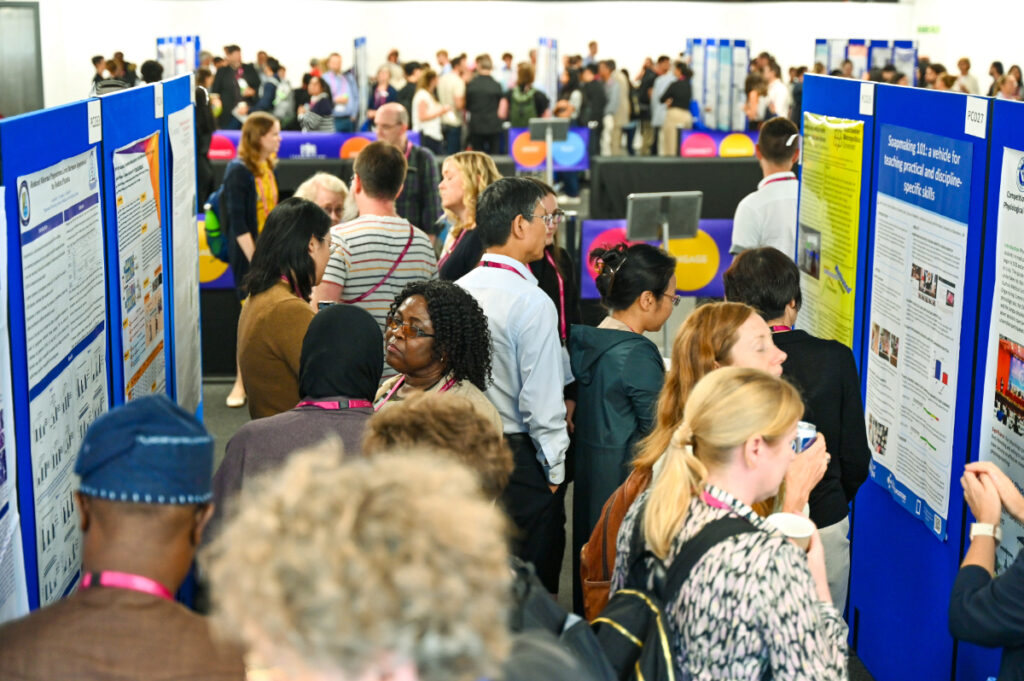
Support our vision of a world in which physiological discovery leads to healthier lives.

PHYSIOLOGY SHORTS: Acute ketone monoester ingestion lowers resting cerebral blood flow
PHYSIOLOGY SHORT: How does maternal obesity impact embryonic neurogenesis?
PHYSIOLOGY SHORTS: the efficacy of CSF1-R inhibition to mitigate post-traumatic osteoarthritis
PHYSIOLOGY SHORTS: the cardiovascular outcome in the offspring of metformin-treated obese mice
PHYSIOLOGY SHORTS: Skeletal muscle experiences retained protein changes following repeated training
EPicks: Understanding the cardiac conduction system and electrocardiogram of the common hippo
EPicks: Environmental modulators of vascular physiology and inflammation
EPicks: Dr. Florence Buchanan: A trailblazing physiologist in an era of barriers and breakthroughs
EPicks: Shining light on skeletal muscle
EPicks: One hundred years of change? Mabel Purefoy FitzGerald and her remarkable life in science
EPicks: Gordon Holmes and the Irish spirit of adventure
Epicks: Using exercise physiology to address gender inequalities in climate change
Our Editors-in-Chief










Features
Nutrition strategies and athletic triumphs: Interview with Professor Louise Burke

Features
Pushing the boundaries of space exploration for all

Features
We all have a natural heat shield. How well can it protect us from heat stroke?

Features
PHYSIOLOGY SHORTS: immune cell infiltration and macrophage senescence in older adult muscle recovery
The Physiological Society 41 views 5 June 2026 9:00 am