Events
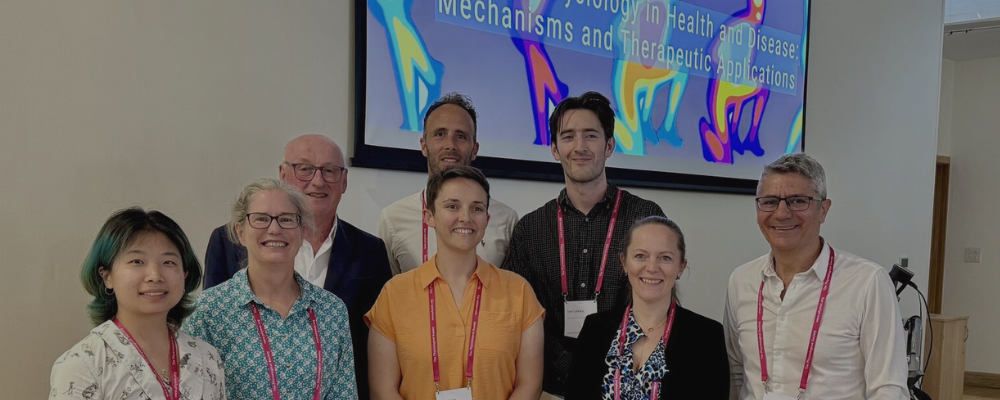
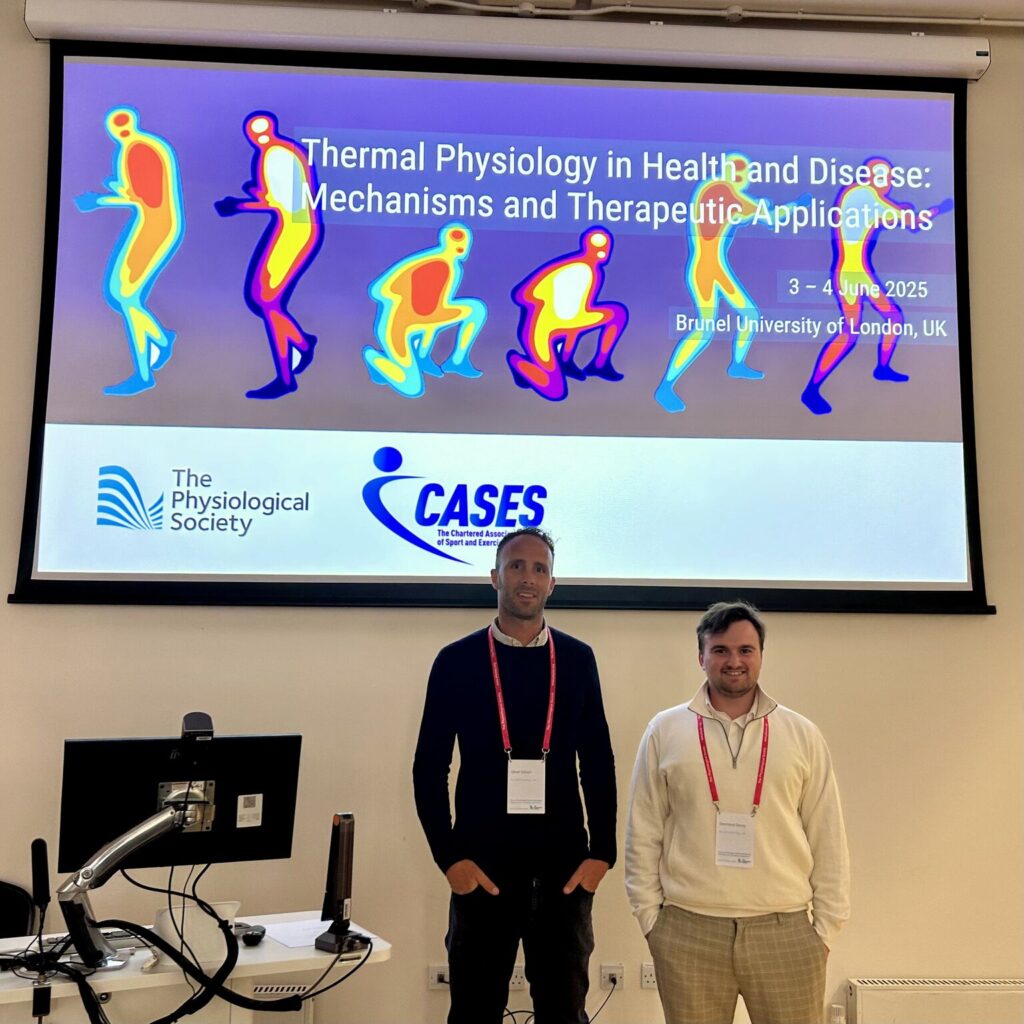
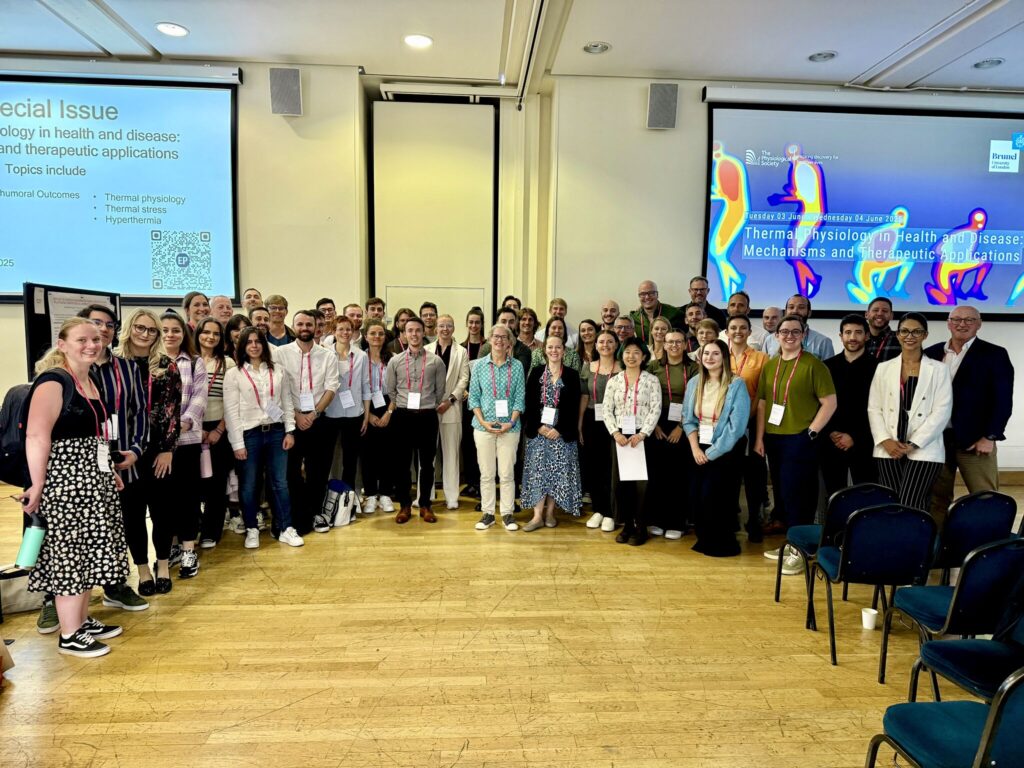
On 3 and 4 June 2025, Brunel University of London, in partnership with The Physiological Society, successfully hosted the scientific meeting titled ‘Thermal Physiology in Health and Disease: Mechanisms and Therapeutic Applications’. This event brought together a diverse and international cohort of researchers, clinicians, and practitioners, reflecting the multidisciplinary nature and growing importance of thermal physiology in both health and disease contexts. Professor Mike Tipton MBE, President-Elect of The Physiological Society commented, “This was a first-class meeting organised by a first-class group. It was high quality, relevant and a great environment for the exchange of information and ideas in those working in this critical area.” He added, “this was not only an excellent showcase for Brunel University of London, also underlined the popularity, importance and vibrancy of your research and physiology in general”.
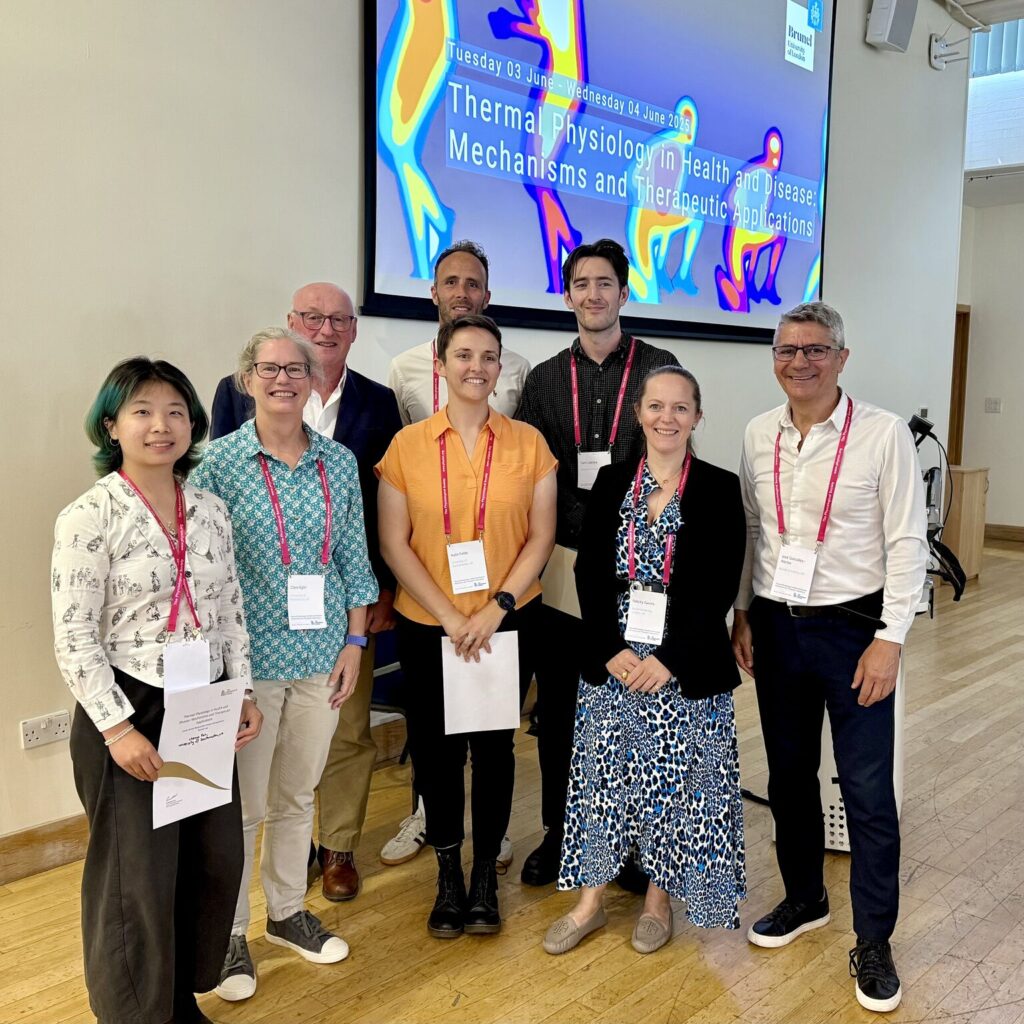
The meeting was expertly organised by Professors José González-Alonso and Felicity Gavins, alongside Drs. Oliver Gibson and Vicky MacBean, representing key departments and research centres (Centre for Inflammation Research and Translational Medicine (CIRTM) & Centre for Physical Activity in Health and Disease (CPAHD)) within Brunel’s College of Health, Medicine and Life Sciences, and Dr Clare Eglin from the School of Psychology, Sport and Health Sciences, University of Portsmouth. Their efforts resulted in an engaging programme that welcomed delegates from across the globe, spanning all career stages, from early-career researchers to leading experts in sport, exercise, climate science, medicine, and physiotherapy.
The meeting’s relevance could not be timelier. As the global population ages and physical inactivity becomes increasingly prevalent, the exploration of thermal intervention, ranging from water immersion and saunas to advanced heating and cooling technologies, has emerged as a promising avenue for promoting health and managing disease. Presentations highlighted how such interventions can induce beneficial physiological responses, including haemodynamic changes, improved oxygen and nutrient delivery, and modulation of inflammation, many of which parallel the effects of physical exercise. This raises the exciting potential for thermal therapies to serve as alternatives or adjuncts to exercise, particularly for those unable or unwilling to engage in regular physical activity.
Speakers also addressed the critical need to balance the benefits of thermal interventions with potential risks, especially in light of rising global temperatures and the increasing frequency of heat waves. The health implications of both hyperthermia and hypothermia were discussed, with a focus on vulnerable populations and those engaging in physical activity under extreme conditions.
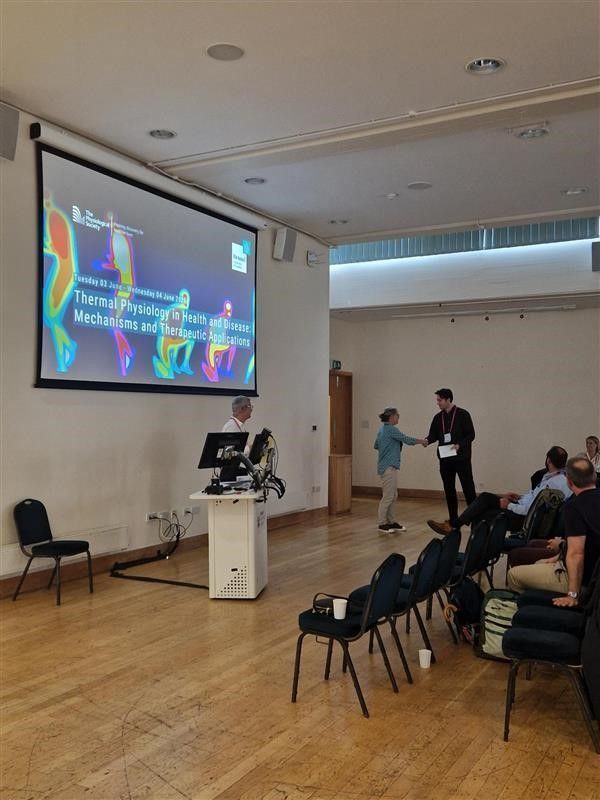
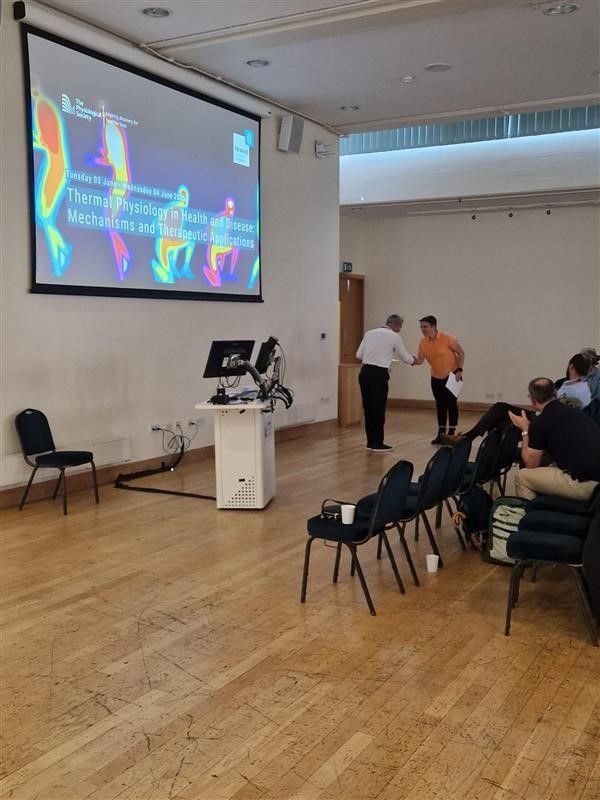
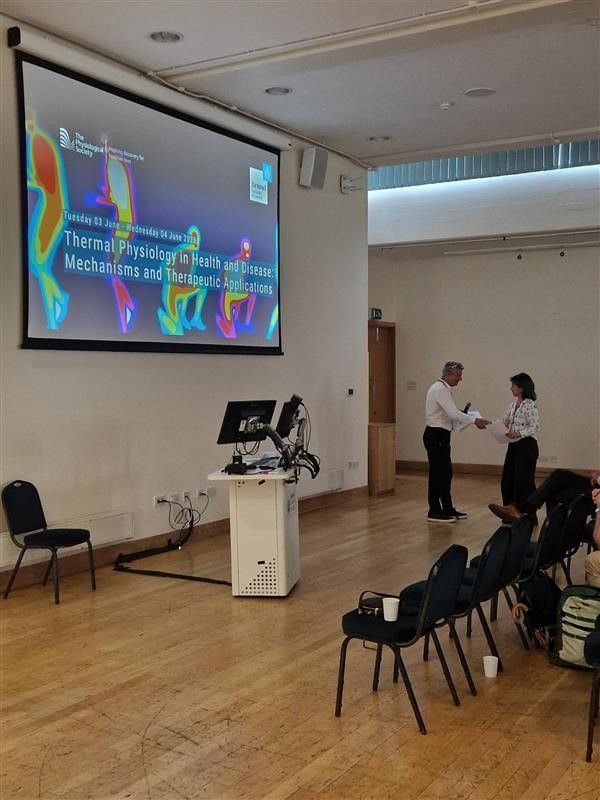
The meeting organisers were delighted to acknowledge the stellar work of early career researchers at the meeting. Sam Leaney of Bangor University was awarded the Michael J Rennie Oral Communication Prize for his presentation entitled “Acute hot water immersion does not reduce 24-hour blood pressure in young healthy adults”. The winner of the poster competition was Aislin Fields (University of Southampton) whom presented on the “Individual variability in clothing thermal behaviour: a multidisciplinary review of physiological and ethnographic literature”, with the runner up Chenyu Fan (University of Southampton) presenting “An inter-disciplinary review of the applications and models of skin wetness perception research and associated experimental methods”.
In conjunction with the meeting, the organising committee have produced an accompanying ebook that collates recent work related to the meeting from the Physiological Society’s flagship journals The Journal of Physiology and Experimental Physiology. In addition, a call for papers for a special issue of Experimental Physiology on this topic remains open throughout 2025, offering an excellent opportunity for continued scientific exchange, with the organising committee serving as guest editors for the journal.